The Man Eating Leopard Of Rudraprayag
This non-fiction wildlife narrative blends field observations with cultural storytelling to illuminate a leopard’s year-long roam through the Garhwal hills and the events that shaped local history. Its central theme examines the delicate balance between wildlife and human communities, told for adventurous readers and curious minds of all ages with an informative, respectful, and quietly inspiring tone. This children's educational book invites nature-loving families and individual readers to explore ecology, culture, and place together.
The content is presented as a story-led, reflective chronicle that moves through rugged landscapes, animal behavior, and the beliefs and daily life of Garhwal communities. Readers are drawn into atmospheric descriptions and suspenseful moments, while the book remains thoughtful about the people who endure the mountains’ hardships.
Educational threads are woven in naturally—wildlife ecology, animal behavior, and the dynamics of human-wildlife coexistence—alongside cultural and geographical context. The prose stays accessible and engaging, inviting curiosity through real-world anecdotes and careful observation, and it presents material in a way that feels natural and respectful rather than academic.
- In-depth look at leopard behavior, wildlife interactions, and regional ecology
- Cultural insights into Garhwal life, beliefs, and community resilience
- A year-long journey told with suspense and atmosphere, balancing science and storytelling
- Concepts of wildlife ecology and human-wildlife coexistence woven into readable, approachable prose
- Atmospheric descriptions and a reflective writing style that engages readers of all ages
Readers finish with a nuanced understanding of habitat, history, and the relationship between people and wildlife, plus a renewed curiosity about mountain ecosystems. The book leaves a lasting impression of resilience and place, building empathy and inviting ongoing reflection on nature’s balance.
Product Information
Product Information
Shipping & Returns
Shipping & Returns
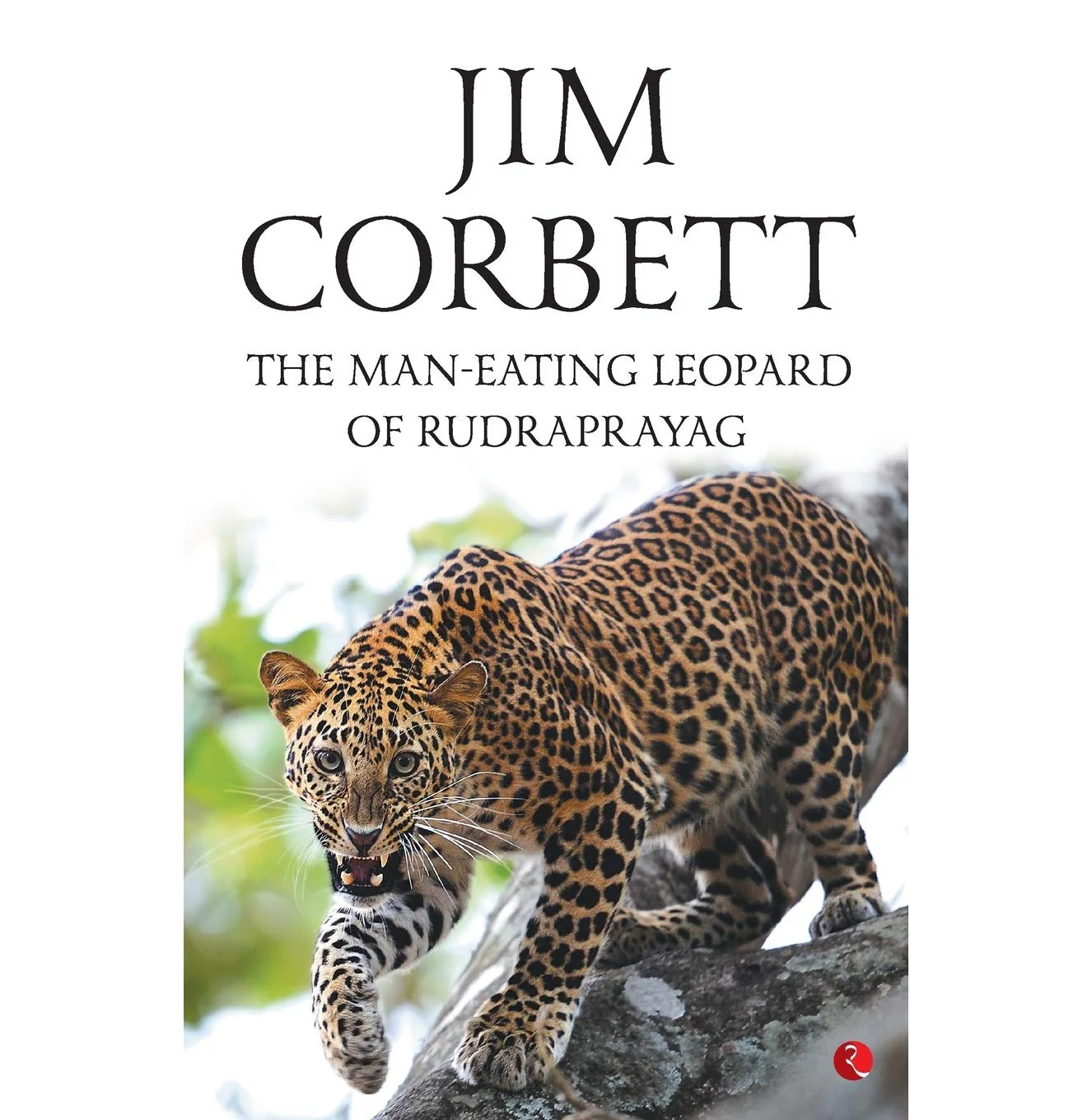
The Man Eating Leopard Of Rudraprayag
The Man Eating Leopard Of Rudraprayag
This non-fiction wildlife narrative blends field observations with cultural storytelling to illuminate a leopard’s year-long roam through the Garhwal hills and the events that shaped local history. Its central theme examines the delicate balance between wildlife and human communities, told for adventurous readers and curious minds of all ages with an informative, respectful, and quietly inspiring tone. This children's educational book invites nature-loving families and individual readers to explore ecology, culture, and place together.
The content is presented as a story-led, reflective chronicle that moves through rugged landscapes, animal behavior, and the beliefs and daily life of Garhwal communities. Readers are drawn into atmospheric descriptions and suspenseful moments, while the book remains thoughtful about the people who endure the mountains’ hardships.
Educational threads are woven in naturally—wildlife ecology, animal behavior, and the dynamics of human-wildlife coexistence—alongside cultural and geographical context. The prose stays accessible and engaging, inviting curiosity through real-world anecdotes and careful observation, and it presents material in a way that feels natural and respectful rather than academic.
- In-depth look at leopard behavior, wildlife interactions, and regional ecology
- Cultural insights into Garhwal life, beliefs, and community resilience
- A year-long journey told with suspense and atmosphere, balancing science and storytelling
- Concepts of wildlife ecology and human-wildlife coexistence woven into readable, approachable prose
- Atmospheric descriptions and a reflective writing style that engages readers of all ages
Readers finish with a nuanced understanding of habitat, history, and the relationship between people and wildlife, plus a renewed curiosity about mountain ecosystems. The book leaves a lasting impression of resilience and place, building empathy and inviting ongoing reflection on nature’s balance.
Original: $2.10
-70%$2.10
$0.63Product Information
Product Information
Shipping & Returns
Shipping & Returns
Description
This non-fiction wildlife narrative blends field observations with cultural storytelling to illuminate a leopard’s year-long roam through the Garhwal hills and the events that shaped local history. Its central theme examines the delicate balance between wildlife and human communities, told for adventurous readers and curious minds of all ages with an informative, respectful, and quietly inspiring tone. This children's educational book invites nature-loving families and individual readers to explore ecology, culture, and place together.
The content is presented as a story-led, reflective chronicle that moves through rugged landscapes, animal behavior, and the beliefs and daily life of Garhwal communities. Readers are drawn into atmospheric descriptions and suspenseful moments, while the book remains thoughtful about the people who endure the mountains’ hardships.
Educational threads are woven in naturally—wildlife ecology, animal behavior, and the dynamics of human-wildlife coexistence—alongside cultural and geographical context. The prose stays accessible and engaging, inviting curiosity through real-world anecdotes and careful observation, and it presents material in a way that feels natural and respectful rather than academic.
- In-depth look at leopard behavior, wildlife interactions, and regional ecology
- Cultural insights into Garhwal life, beliefs, and community resilience
- A year-long journey told with suspense and atmosphere, balancing science and storytelling
- Concepts of wildlife ecology and human-wildlife coexistence woven into readable, approachable prose
- Atmospheric descriptions and a reflective writing style that engages readers of all ages
Readers finish with a nuanced understanding of habitat, history, and the relationship between people and wildlife, plus a renewed curiosity about mountain ecosystems. The book leaves a lasting impression of resilience and place, building empathy and inviting ongoing reflection on nature’s balance.


