The Red Fort Of Shahjahanabad: An Architectural History
The Red Fort of Shahjahanabad: An Architectural History invites you to step inside a legendary fortress whose stones tell centuries of India’s regal past. This architectural biography—written for adults, students of history and architecture, and curious travelers—delves into the 17th-century design commissioned by Emperor Shah Jahan, revealing how form, function, and ritual spaces shaped life within Shahjahanabad and beyond. The tone is respectful, insightful, and uplifting, making history feel immediate and meaningful.
Authored by Anisha Shekhar Mukherji, a conservation-focused architect, the book is a thoughtfully structured journey through the Red Fort’s evolving narrative. In the second edition, published two decades after the first, the story is enriched with archival photographs that bring the fort to life, maps and architectural drawings that reveal the genius of its design, and court chronicles and travelogues that add texture to its long history. With Mukherji’s expert perspective on preserving such landmarks, the book offers not only a vivid chronology but practical ideas for safeguarding these precious spaces for future generations.
- Comprehensive architectural history of the Red Fort and the city of Shahjahanabad
- Archival photographs, maps, and architectural drawings that illuminate the design
- Court chronicles and travelogues that deepen the historical context
- Conservation-focused insights on preserving historic sites and integrating built and open spaces
- Clear, engaging writing that welcomes both enthusiasts and professionals alike
After reading The Red Fort of Shahjahanabad: An Architectural History, readers gain a nuanced understanding of how architecture encodes history and how thoughtful preservation can sustain cultural memory. The book invites reflection on design, power, and daily life across centuries, leaving readers with a renewed appreciation for the stories that buildings tell and a confident curiosity about the future of heritage sites.
Product Information
Product Information
Shipping & Returns
Shipping & Returns
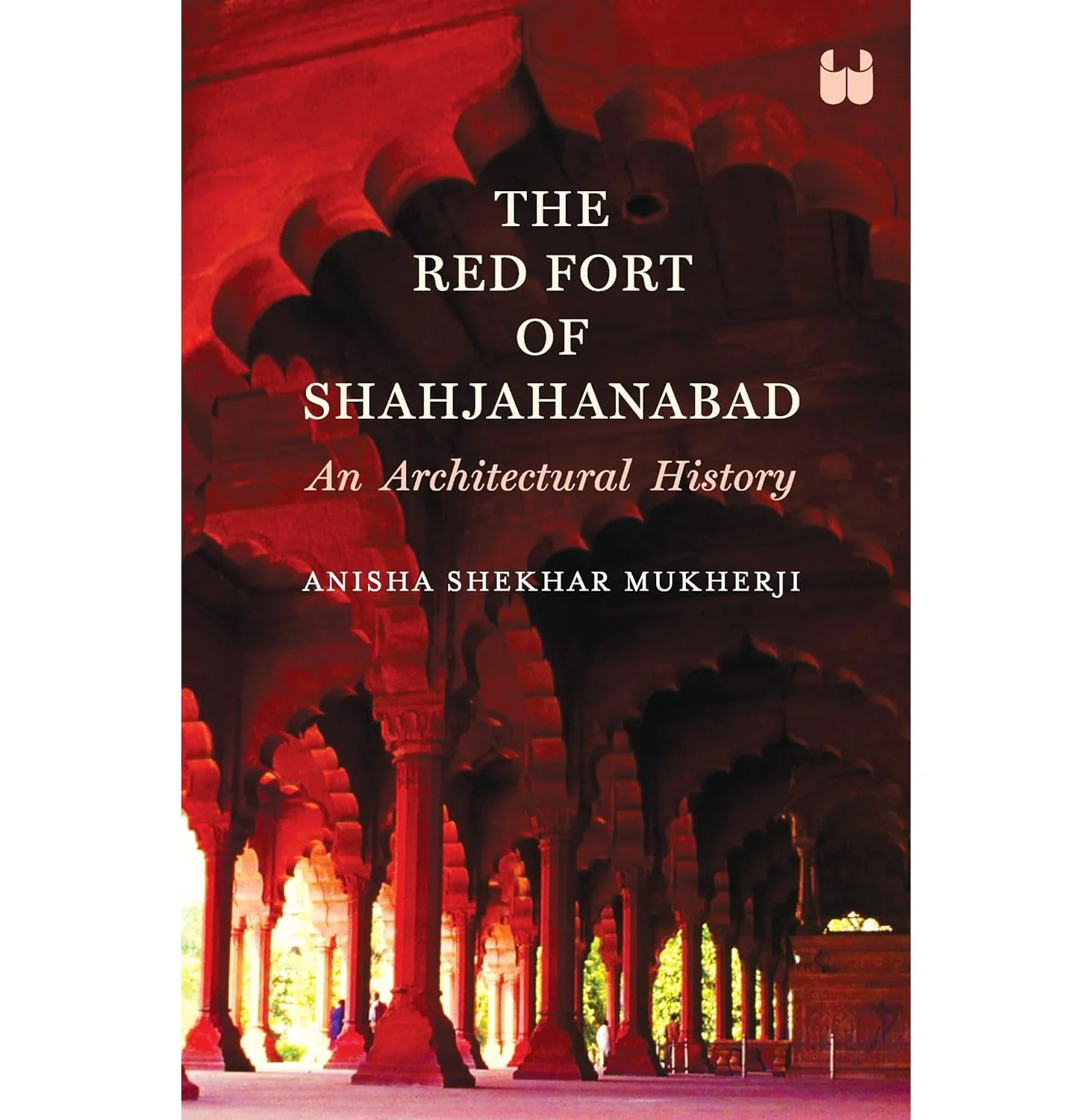
The Red Fort Of Shahjahanabad: An Architectural History
The Red Fort Of Shahjahanabad: An Architectural History
The Red Fort of Shahjahanabad: An Architectural History invites you to step inside a legendary fortress whose stones tell centuries of India’s regal past. This architectural biography—written for adults, students of history and architecture, and curious travelers—delves into the 17th-century design commissioned by Emperor Shah Jahan, revealing how form, function, and ritual spaces shaped life within Shahjahanabad and beyond. The tone is respectful, insightful, and uplifting, making history feel immediate and meaningful.
Authored by Anisha Shekhar Mukherji, a conservation-focused architect, the book is a thoughtfully structured journey through the Red Fort’s evolving narrative. In the second edition, published two decades after the first, the story is enriched with archival photographs that bring the fort to life, maps and architectural drawings that reveal the genius of its design, and court chronicles and travelogues that add texture to its long history. With Mukherji’s expert perspective on preserving such landmarks, the book offers not only a vivid chronology but practical ideas for safeguarding these precious spaces for future generations.
- Comprehensive architectural history of the Red Fort and the city of Shahjahanabad
- Archival photographs, maps, and architectural drawings that illuminate the design
- Court chronicles and travelogues that deepen the historical context
- Conservation-focused insights on preserving historic sites and integrating built and open spaces
- Clear, engaging writing that welcomes both enthusiasts and professionals alike
After reading The Red Fort of Shahjahanabad: An Architectural History, readers gain a nuanced understanding of how architecture encodes history and how thoughtful preservation can sustain cultural memory. The book invites reflection on design, power, and daily life across centuries, leaving readers with a renewed appreciation for the stories that buildings tell and a confident curiosity about the future of heritage sites.
Original: $11.86
-70%$11.86
$3.56Product Information
Product Information
Shipping & Returns
Shipping & Returns
Description
The Red Fort of Shahjahanabad: An Architectural History invites you to step inside a legendary fortress whose stones tell centuries of India’s regal past. This architectural biography—written for adults, students of history and architecture, and curious travelers—delves into the 17th-century design commissioned by Emperor Shah Jahan, revealing how form, function, and ritual spaces shaped life within Shahjahanabad and beyond. The tone is respectful, insightful, and uplifting, making history feel immediate and meaningful.
Authored by Anisha Shekhar Mukherji, a conservation-focused architect, the book is a thoughtfully structured journey through the Red Fort’s evolving narrative. In the second edition, published two decades after the first, the story is enriched with archival photographs that bring the fort to life, maps and architectural drawings that reveal the genius of its design, and court chronicles and travelogues that add texture to its long history. With Mukherji’s expert perspective on preserving such landmarks, the book offers not only a vivid chronology but practical ideas for safeguarding these precious spaces for future generations.
- Comprehensive architectural history of the Red Fort and the city of Shahjahanabad
- Archival photographs, maps, and architectural drawings that illuminate the design
- Court chronicles and travelogues that deepen the historical context
- Conservation-focused insights on preserving historic sites and integrating built and open spaces
- Clear, engaging writing that welcomes both enthusiasts and professionals alike
After reading The Red Fort of Shahjahanabad: An Architectural History, readers gain a nuanced understanding of how architecture encodes history and how thoughtful preservation can sustain cultural memory. The book invites reflection on design, power, and daily life across centuries, leaving readers with a renewed appreciation for the stories that buildings tell and a confident curiosity about the future of heritage sites.