The Reluctant Nazi
This historical non-fiction memoir blends intimate family storytelling with a dramatic moment in world history. It follows a granddaughter who uncovers a diary from 1945 Berlin and confronts a grandfather’s Nazi affiliation amid a city collapsing under bombardment. The central theme is memory, accountability, and the long shadows of political allegiance, written for adult readers and history-minded readers who want to understand how the past informs the present. The tone is moving, reflective, and ultimately hopeful.
The book presents Api's day-by-day account from close to the Reichstag, describing the horrors of the fall of Berlin, the hunger, and the struggle to care for the sick. Interwoven with Gabrielle's contemporary response, it asks difficult questions about political responsibility and the consequences of belonging to a regime. The narrative is intimate and documentary in feel, inviting readers to move through time with care and empathy.
For educational and non-fiction readers, the work covers historical context of Berlin at the end of WWII, medical care under siege, and the ethics of allegiance. It presents topics like memory, trauma, moral responsibility, and the complexity of judgment in times of crisis. The writing makes this heavy history accessible through personal narrative, diary-based excerpts, and thoughtful reflection.
- Primary-source diary fragments from 1945 Berlin provide ground-level insight into medical work, daily life, and survival near the Reichstag
- A dual narrative that links past events to present memory, inviting reflection on responsibility and consequences
- Thoughtful, restrained prose that preserves nuance while guiding readers through difficult subjects
- Clear historical context conveyed through a personal lens, making era-specific details approachable for non-fiction and history readers
- Ideal for readers of history, biography, and memoir who seek a thoughtful treatment of memory, family legacy, and accountability
After finishing, readers gain a deeper understanding of how personal archives illuminate public history, developing empathy, critical thinking, and a measured perspective on accountability. The memoir leaves a lasting impression of resilience and the ongoing task of confronting uncomfortable truths within families and communities.
Product Information
Product Information
Shipping & Returns
Shipping & Returns
The Reluctant Nazi
The Reluctant Nazi
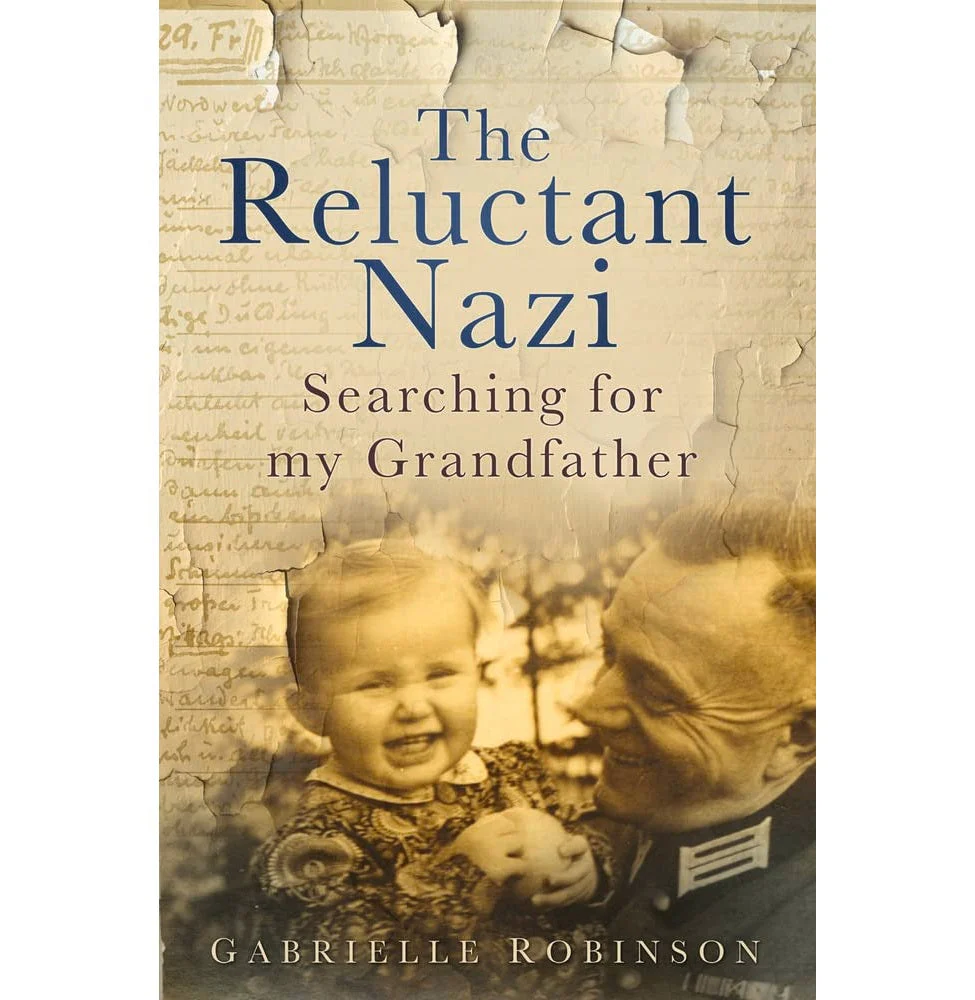
This historical non-fiction memoir blends intimate family storytelling with a dramatic moment in world history. It follows a granddaughter who uncovers a diary from 1945 Berlin and confronts a grandfather’s Nazi affiliation amid a city collapsing under bombardment. The central theme is memory, accountability, and the long shadows of political allegiance, written for adult readers and history-minded readers who want to understand how the past informs the present. The tone is moving, reflective, and ultimately hopeful.
The book presents Api's day-by-day account from close to the Reichstag, describing the horrors of the fall of Berlin, the hunger, and the struggle to care for the sick. Interwoven with Gabrielle's contemporary response, it asks difficult questions about political responsibility and the consequences of belonging to a regime. The narrative is intimate and documentary in feel, inviting readers to move through time with care and empathy.
For educational and non-fiction readers, the work covers historical context of Berlin at the end of WWII, medical care under siege, and the ethics of allegiance. It presents topics like memory, trauma, moral responsibility, and the complexity of judgment in times of crisis. The writing makes this heavy history accessible through personal narrative, diary-based excerpts, and thoughtful reflection.
- Primary-source diary fragments from 1945 Berlin provide ground-level insight into medical work, daily life, and survival near the Reichstag
- A dual narrative that links past events to present memory, inviting reflection on responsibility and consequences
- Thoughtful, restrained prose that preserves nuance while guiding readers through difficult subjects
- Clear historical context conveyed through a personal lens, making era-specific details approachable for non-fiction and history readers
- Ideal for readers of history, biography, and memoir who seek a thoughtful treatment of memory, family legacy, and accountability
After finishing, readers gain a deeper understanding of how personal archives illuminate public history, developing empathy, critical thinking, and a measured perspective on accountability. The memoir leaves a lasting impression of resilience and the ongoing task of confronting uncomfortable truths within families and communities.
Product Information
Product Information
Shipping & Returns
Shipping & Returns
Description
This historical non-fiction memoir blends intimate family storytelling with a dramatic moment in world history. It follows a granddaughter who uncovers a diary from 1945 Berlin and confronts a grandfather’s Nazi affiliation amid a city collapsing under bombardment. The central theme is memory, accountability, and the long shadows of political allegiance, written for adult readers and history-minded readers who want to understand how the past informs the present. The tone is moving, reflective, and ultimately hopeful.
The book presents Api's day-by-day account from close to the Reichstag, describing the horrors of the fall of Berlin, the hunger, and the struggle to care for the sick. Interwoven with Gabrielle's contemporary response, it asks difficult questions about political responsibility and the consequences of belonging to a regime. The narrative is intimate and documentary in feel, inviting readers to move through time with care and empathy.
For educational and non-fiction readers, the work covers historical context of Berlin at the end of WWII, medical care under siege, and the ethics of allegiance. It presents topics like memory, trauma, moral responsibility, and the complexity of judgment in times of crisis. The writing makes this heavy history accessible through personal narrative, diary-based excerpts, and thoughtful reflection.
- Primary-source diary fragments from 1945 Berlin provide ground-level insight into medical work, daily life, and survival near the Reichstag
- A dual narrative that links past events to present memory, inviting reflection on responsibility and consequences
- Thoughtful, restrained prose that preserves nuance while guiding readers through difficult subjects
- Clear historical context conveyed through a personal lens, making era-specific details approachable for non-fiction and history readers
- Ideal for readers of history, biography, and memoir who seek a thoughtful treatment of memory, family legacy, and accountability
After finishing, readers gain a deeper understanding of how personal archives illuminate public history, developing empathy, critical thinking, and a measured perspective on accountability. The memoir leaves a lasting impression of resilience and the ongoing task of confronting uncomfortable truths within families and communities.