The Robe And The Sword
This is a narrative nonfiction investigation that follows field reporting across riot-scarred towns in South Asia, refugee camps along contested borders, and fortified religious precincts to examine how a long tradition of nonviolence has been weaponized by extremist movements. Its central theme asks how colonial trauma, economic grievances, and political forces converge to turn sacred symbols into instruments of fear and war. The intended reader is anyone curious about current affairs, religion, human rights, and regional Southeast Asia, seeking a thoughtful, urgent exploration. The emotional tone is grave and compassionate—serious about the stakes, yet guided by human stories that illuminate lived experience.
The content is presented as immersive reportage—field interviews, on-the-ground scenes, and historical context—bridging intimate portraits with rigorous analysis. What makes the reading experience distinctive is this blend of vivid storytelling and documentary clarity, allowing tense moments and complex dynamics to unfold without sensationalism. Readers move through connected threads that tie local incidents to broader forces, and they encounter firsthand perspectives from zealous followers, survivors, and reform-minded dissidents alike.
For educational or non-fiction goals, the examination covers concepts such as radicalization, religious nationalism, colonial legacies, economic drivers of conflict, and the humanitarian impact of displacement. Learning feels accessible and engaging through concrete case studies, real-world testimonies, and a clear progression from history to present-day implications. The narrative approach invites reflection on faith, power, and responsibility, making difficult ideas approachable for non-specialist readers while offering enough depth for curious, informed readers.
- Field reporting across Sri Lanka, refugee sites on contested borders, and Thailand’s religious centers
- Vivid portraits of zealots, survivors, and dissident monks, balanced with historical context
- Analysis of how sacred traditions are interpreted, manipulated, and challenged in contemporary politics
- Accessible, precise narrative style that makes geopolitics and religion understandable
- Integrates human stories with broader social and historical insights for lasting impact
Readers finish with a nuanced understanding of how faith and power intersect in conflict zones, a deeper empathy for those affected, and a broadened perspective on peace-building, accountability, and the human costs of extremism. This work leaves an enduring impression of the importance of informed dialogue and compassionate scrutiny in a connected world.
Product Information
Product Information
Shipping & Returns
Shipping & Returns
The Robe And The Sword
The Robe And The Sword
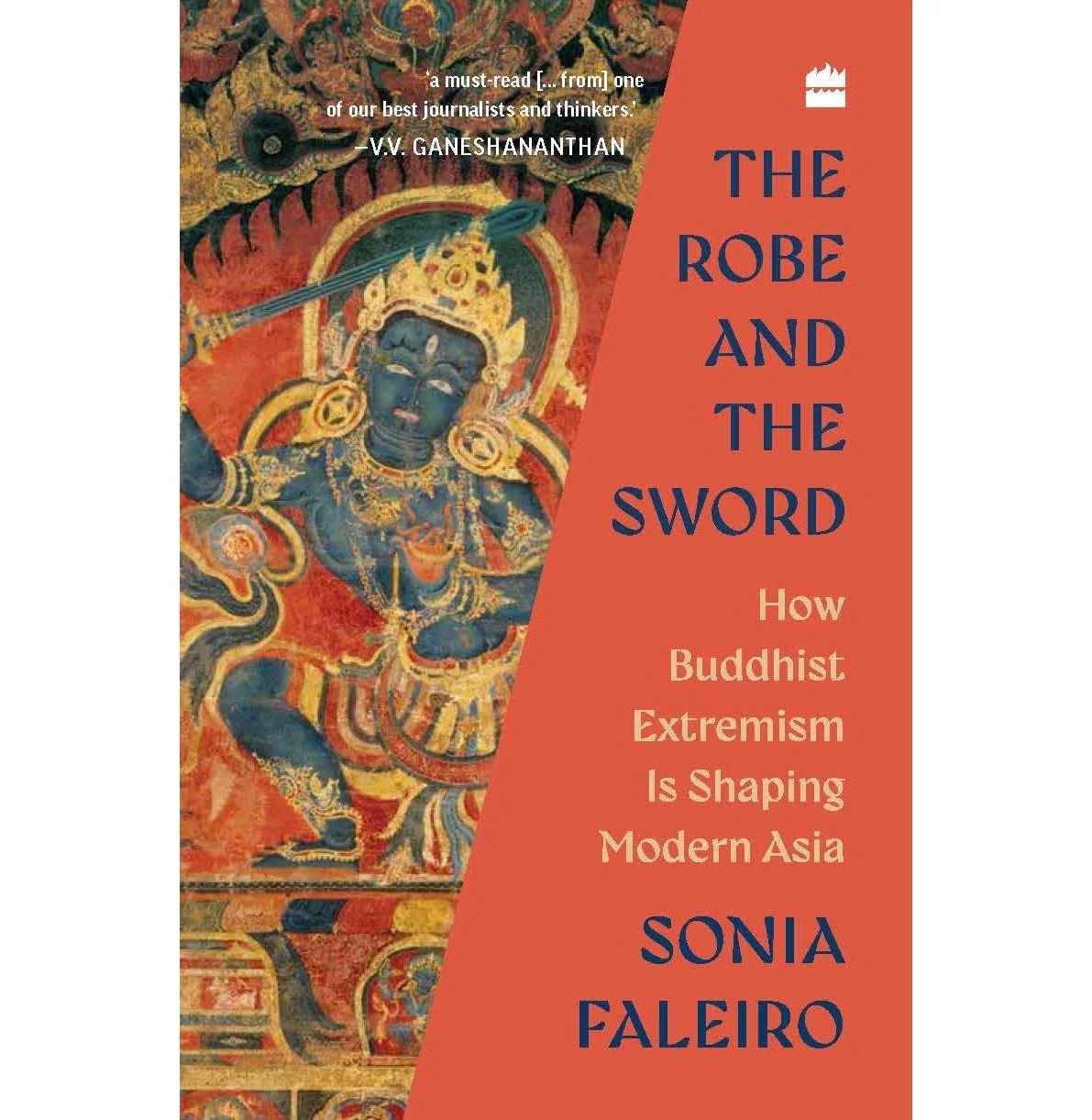
This is a narrative nonfiction investigation that follows field reporting across riot-scarred towns in South Asia, refugee camps along contested borders, and fortified religious precincts to examine how a long tradition of nonviolence has been weaponized by extremist movements. Its central theme asks how colonial trauma, economic grievances, and political forces converge to turn sacred symbols into instruments of fear and war. The intended reader is anyone curious about current affairs, religion, human rights, and regional Southeast Asia, seeking a thoughtful, urgent exploration. The emotional tone is grave and compassionate—serious about the stakes, yet guided by human stories that illuminate lived experience.
The content is presented as immersive reportage—field interviews, on-the-ground scenes, and historical context—bridging intimate portraits with rigorous analysis. What makes the reading experience distinctive is this blend of vivid storytelling and documentary clarity, allowing tense moments and complex dynamics to unfold without sensationalism. Readers move through connected threads that tie local incidents to broader forces, and they encounter firsthand perspectives from zealous followers, survivors, and reform-minded dissidents alike.
For educational or non-fiction goals, the examination covers concepts such as radicalization, religious nationalism, colonial legacies, economic drivers of conflict, and the humanitarian impact of displacement. Learning feels accessible and engaging through concrete case studies, real-world testimonies, and a clear progression from history to present-day implications. The narrative approach invites reflection on faith, power, and responsibility, making difficult ideas approachable for non-specialist readers while offering enough depth for curious, informed readers.
- Field reporting across Sri Lanka, refugee sites on contested borders, and Thailand’s religious centers
- Vivid portraits of zealots, survivors, and dissident monks, balanced with historical context
- Analysis of how sacred traditions are interpreted, manipulated, and challenged in contemporary politics
- Accessible, precise narrative style that makes geopolitics and religion understandable
- Integrates human stories with broader social and historical insights for lasting impact
Readers finish with a nuanced understanding of how faith and power intersect in conflict zones, a deeper empathy for those affected, and a broadened perspective on peace-building, accountability, and the human costs of extremism. This work leaves an enduring impression of the importance of informed dialogue and compassionate scrutiny in a connected world.
Product Information
Product Information
Shipping & Returns
Shipping & Returns
Description
This is a narrative nonfiction investigation that follows field reporting across riot-scarred towns in South Asia, refugee camps along contested borders, and fortified religious precincts to examine how a long tradition of nonviolence has been weaponized by extremist movements. Its central theme asks how colonial trauma, economic grievances, and political forces converge to turn sacred symbols into instruments of fear and war. The intended reader is anyone curious about current affairs, religion, human rights, and regional Southeast Asia, seeking a thoughtful, urgent exploration. The emotional tone is grave and compassionate—serious about the stakes, yet guided by human stories that illuminate lived experience.
The content is presented as immersive reportage—field interviews, on-the-ground scenes, and historical context—bridging intimate portraits with rigorous analysis. What makes the reading experience distinctive is this blend of vivid storytelling and documentary clarity, allowing tense moments and complex dynamics to unfold without sensationalism. Readers move through connected threads that tie local incidents to broader forces, and they encounter firsthand perspectives from zealous followers, survivors, and reform-minded dissidents alike.
For educational or non-fiction goals, the examination covers concepts such as radicalization, religious nationalism, colonial legacies, economic drivers of conflict, and the humanitarian impact of displacement. Learning feels accessible and engaging through concrete case studies, real-world testimonies, and a clear progression from history to present-day implications. The narrative approach invites reflection on faith, power, and responsibility, making difficult ideas approachable for non-specialist readers while offering enough depth for curious, informed readers.
- Field reporting across Sri Lanka, refugee sites on contested borders, and Thailand’s religious centers
- Vivid portraits of zealots, survivors, and dissident monks, balanced with historical context
- Analysis of how sacred traditions are interpreted, manipulated, and challenged in contemporary politics
- Accessible, precise narrative style that makes geopolitics and religion understandable
- Integrates human stories with broader social and historical insights for lasting impact
Readers finish with a nuanced understanding of how faith and power intersect in conflict zones, a deeper empathy for those affected, and a broadened perspective on peace-building, accountability, and the human costs of extremism. This work leaves an enduring impression of the importance of informed dialogue and compassionate scrutiny in a connected world.