The Runaway Boy (Chandal Jibon Trilogy - Book 1)
The Runaway Boy (Chandal Jibon Trilogy - Book 1) is a powerful coming-of-age novel set in post-independence India, told through the life of Jibon, a boy who moves from a West Bengal refugee camp into Calcutta’s busy streets. A work of historical realism, it follows a Dalit family's hunger, hope, and hard-won survival as a young nation grapples with change. It speaks to adult readers and older teens who seek honest, affecting stories about resilience, inequality, and social transformation, with a tone that is intimate, hopeful, and deeply compassionate.
Written with the sensibility of a self-taught writer who found his voice in hardship, The Runaway Boy unfolds in lucid, tightly paced chapters that blend memory and observation. The narrative draws on Manoranjan Byapari's own experiences as a rickshaw-puller, sweeper, and cook, translating lived struggle into a vivid, semi-autobiographical account. Readers follow Jibon from a refugee camp where hunger and provisions define daily life to the crowded streets of Calcutta, where dreams collide with poverty, opportunity, and the stubborn realities of a changing society.
- Key content elements: Jibon's journey from refugee camp to Calcutta, the hardship of a Dalit family, and life in a newly independent India.
- Interactive or standout features: Semi-autobiographical voice, intimate point of view, and vivid, cinematic scenes.
- Learning outcomes or experiences: Insight into post-colonial India's social fabric, resilience in the face of adversity, and a nuanced view of inequality and communal tension.
- Writing or illustration style: Lyrical, precise prose grounded in real-life experience, with a strong, authentic voice derived from the author's lived history.
After finishing The Runaway Boy, readers gain a nuanced understanding of a pivotal era in India's history, along with empathy for dispossessed families and a belief in the power of resilience to shape a better future. This story lingers, inviting reflection on society and the enduring human capacity to hope and endure.
Product Information
Product Information
Shipping & Returns
Shipping & Returns
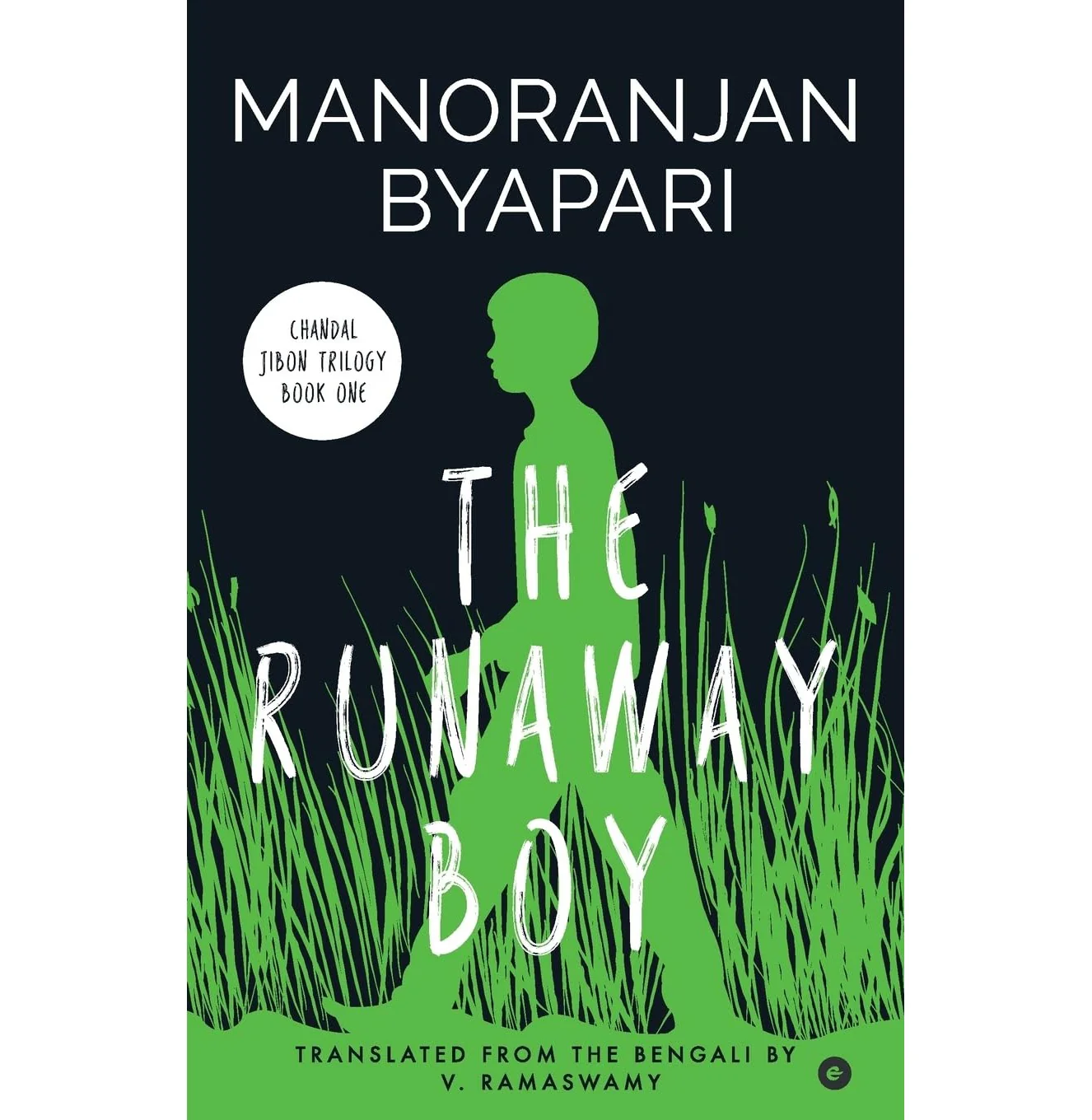
The Runaway Boy (Chandal Jibon Trilogy - Book 1)
The Runaway Boy (Chandal Jibon Trilogy - Book 1)
The Runaway Boy (Chandal Jibon Trilogy - Book 1) is a powerful coming-of-age novel set in post-independence India, told through the life of Jibon, a boy who moves from a West Bengal refugee camp into Calcutta’s busy streets. A work of historical realism, it follows a Dalit family's hunger, hope, and hard-won survival as a young nation grapples with change. It speaks to adult readers and older teens who seek honest, affecting stories about resilience, inequality, and social transformation, with a tone that is intimate, hopeful, and deeply compassionate.
Written with the sensibility of a self-taught writer who found his voice in hardship, The Runaway Boy unfolds in lucid, tightly paced chapters that blend memory and observation. The narrative draws on Manoranjan Byapari's own experiences as a rickshaw-puller, sweeper, and cook, translating lived struggle into a vivid, semi-autobiographical account. Readers follow Jibon from a refugee camp where hunger and provisions define daily life to the crowded streets of Calcutta, where dreams collide with poverty, opportunity, and the stubborn realities of a changing society.
- Key content elements: Jibon's journey from refugee camp to Calcutta, the hardship of a Dalit family, and life in a newly independent India.
- Interactive or standout features: Semi-autobiographical voice, intimate point of view, and vivid, cinematic scenes.
- Learning outcomes or experiences: Insight into post-colonial India's social fabric, resilience in the face of adversity, and a nuanced view of inequality and communal tension.
- Writing or illustration style: Lyrical, precise prose grounded in real-life experience, with a strong, authentic voice derived from the author's lived history.
After finishing The Runaway Boy, readers gain a nuanced understanding of a pivotal era in India's history, along with empathy for dispossessed families and a belief in the power of resilience to shape a better future. This story lingers, inviting reflection on society and the enduring human capacity to hope and endure.
Product Information
Product Information
Shipping & Returns
Shipping & Returns
Description
The Runaway Boy (Chandal Jibon Trilogy - Book 1) is a powerful coming-of-age novel set in post-independence India, told through the life of Jibon, a boy who moves from a West Bengal refugee camp into Calcutta’s busy streets. A work of historical realism, it follows a Dalit family's hunger, hope, and hard-won survival as a young nation grapples with change. It speaks to adult readers and older teens who seek honest, affecting stories about resilience, inequality, and social transformation, with a tone that is intimate, hopeful, and deeply compassionate.
Written with the sensibility of a self-taught writer who found his voice in hardship, The Runaway Boy unfolds in lucid, tightly paced chapters that blend memory and observation. The narrative draws on Manoranjan Byapari's own experiences as a rickshaw-puller, sweeper, and cook, translating lived struggle into a vivid, semi-autobiographical account. Readers follow Jibon from a refugee camp where hunger and provisions define daily life to the crowded streets of Calcutta, where dreams collide with poverty, opportunity, and the stubborn realities of a changing society.
- Key content elements: Jibon's journey from refugee camp to Calcutta, the hardship of a Dalit family, and life in a newly independent India.
- Interactive or standout features: Semi-autobiographical voice, intimate point of view, and vivid, cinematic scenes.
- Learning outcomes or experiences: Insight into post-colonial India's social fabric, resilience in the face of adversity, and a nuanced view of inequality and communal tension.
- Writing or illustration style: Lyrical, precise prose grounded in real-life experience, with a strong, authentic voice derived from the author's lived history.
After finishing The Runaway Boy, readers gain a nuanced understanding of a pivotal era in India's history, along with empathy for dispossessed families and a belief in the power of resilience to shape a better future. This story lingers, inviting reflection on society and the enduring human capacity to hope and endure.