The Second Body
The Second Body invites readers to reimagine what it means to live in a body that belongs to a larger world. Part philosophical essay, part nature writing, this exploration of existence weaves intimate memory with ecological inquiry. It’s written for curious adults and readers who enjoy literary nonfiction, environmental thought, and reflective prose, with a tone that is contemplative, hopeful, and gently provocative.
Across a mosaic of scenes and conversations, The Second Body guides you through a tapestry of voices. You meet Richard, a Yorkshire butcher, watching the transformation of pigs into boiled ham, a stark entry point into questions about life, mortality, and what it means to belong. You encounter Gina, an environmental criminologist, whose discussions illuminate the surprising lives of leopards and silver foxes living in urban luxury. Through encounters with Luis, a biologist, who traces the origins of life, and Nadezhda, who unpacks the fungi at the heart of ecosystems, the essay asks how we label, understand, and relate to animal life. The narrative moves between intimate memory—the memory of a flood that reshaped the author’s home—and broad ecological questions, dissolving the boundaries between human life and the non-human world.
Written in elegant, lucid prose, the work unfolds as a flowing journey rather than a classroom lecture. The experience is immersive and thoughtful: vivid scenes, precise observations, and reflective pauses that invite readers to slow down, notice, and reconsider their place within the living web. The book presents concepts of interdependence, embodiment, and the limits of human exceptionalism in a way that is accessible, evocative, and ultimately transformative.
- Intersections of human life with the animal world and embodiment
- Mosaic vignettes and conversations from diverse voices
- Learning about ecology, life histories, and interconnectedness
- Elegant, lyrical prose with cinematic imagery
By the end, readers gain a richer sense of our shared life on Earth, a more expansive empathy for animals, and a renewed curiosity about the everyday connections that sustain us. The work leaves you thoughtful, hopeful, and ready to see your world—and yourself—through a broader, more humane lens.
Product Information
Product Information
Shipping & Returns
Shipping & Returns
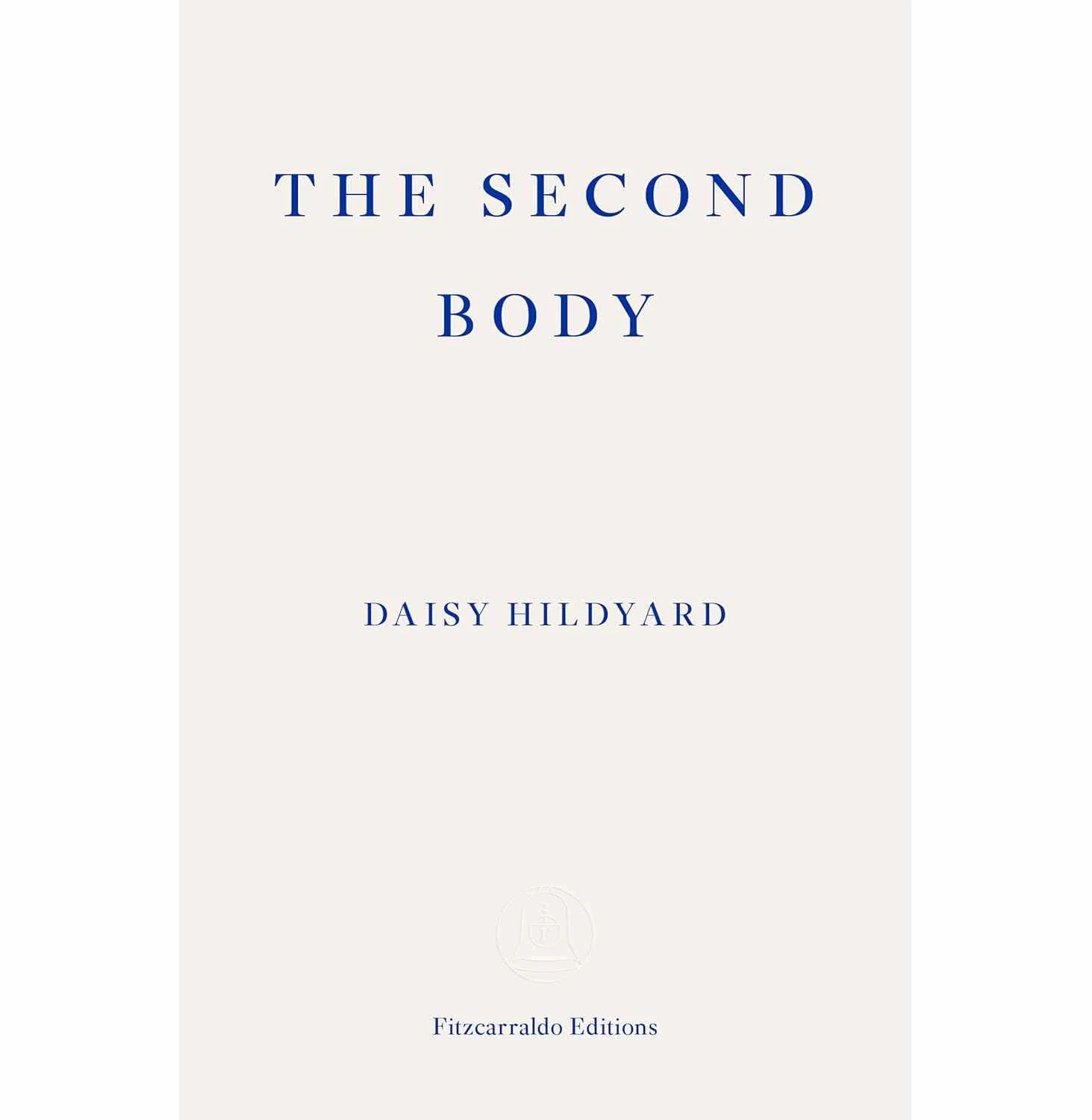
The Second Body
The Second Body
The Second Body invites readers to reimagine what it means to live in a body that belongs to a larger world. Part philosophical essay, part nature writing, this exploration of existence weaves intimate memory with ecological inquiry. It’s written for curious adults and readers who enjoy literary nonfiction, environmental thought, and reflective prose, with a tone that is contemplative, hopeful, and gently provocative.
Across a mosaic of scenes and conversations, The Second Body guides you through a tapestry of voices. You meet Richard, a Yorkshire butcher, watching the transformation of pigs into boiled ham, a stark entry point into questions about life, mortality, and what it means to belong. You encounter Gina, an environmental criminologist, whose discussions illuminate the surprising lives of leopards and silver foxes living in urban luxury. Through encounters with Luis, a biologist, who traces the origins of life, and Nadezhda, who unpacks the fungi at the heart of ecosystems, the essay asks how we label, understand, and relate to animal life. The narrative moves between intimate memory—the memory of a flood that reshaped the author’s home—and broad ecological questions, dissolving the boundaries between human life and the non-human world.
Written in elegant, lucid prose, the work unfolds as a flowing journey rather than a classroom lecture. The experience is immersive and thoughtful: vivid scenes, precise observations, and reflective pauses that invite readers to slow down, notice, and reconsider their place within the living web. The book presents concepts of interdependence, embodiment, and the limits of human exceptionalism in a way that is accessible, evocative, and ultimately transformative.
- Intersections of human life with the animal world and embodiment
- Mosaic vignettes and conversations from diverse voices
- Learning about ecology, life histories, and interconnectedness
- Elegant, lyrical prose with cinematic imagery
By the end, readers gain a richer sense of our shared life on Earth, a more expansive empathy for animals, and a renewed curiosity about the everyday connections that sustain us. The work leaves you thoughtful, hopeful, and ready to see your world—and yourself—through a broader, more humane lens.
Original: $10.95
-70%$10.95
$3.28Product Information
Product Information
Shipping & Returns
Shipping & Returns
Description
The Second Body invites readers to reimagine what it means to live in a body that belongs to a larger world. Part philosophical essay, part nature writing, this exploration of existence weaves intimate memory with ecological inquiry. It’s written for curious adults and readers who enjoy literary nonfiction, environmental thought, and reflective prose, with a tone that is contemplative, hopeful, and gently provocative.
Across a mosaic of scenes and conversations, The Second Body guides you through a tapestry of voices. You meet Richard, a Yorkshire butcher, watching the transformation of pigs into boiled ham, a stark entry point into questions about life, mortality, and what it means to belong. You encounter Gina, an environmental criminologist, whose discussions illuminate the surprising lives of leopards and silver foxes living in urban luxury. Through encounters with Luis, a biologist, who traces the origins of life, and Nadezhda, who unpacks the fungi at the heart of ecosystems, the essay asks how we label, understand, and relate to animal life. The narrative moves between intimate memory—the memory of a flood that reshaped the author’s home—and broad ecological questions, dissolving the boundaries between human life and the non-human world.
Written in elegant, lucid prose, the work unfolds as a flowing journey rather than a classroom lecture. The experience is immersive and thoughtful: vivid scenes, precise observations, and reflective pauses that invite readers to slow down, notice, and reconsider their place within the living web. The book presents concepts of interdependence, embodiment, and the limits of human exceptionalism in a way that is accessible, evocative, and ultimately transformative.
- Intersections of human life with the animal world and embodiment
- Mosaic vignettes and conversations from diverse voices
- Learning about ecology, life histories, and interconnectedness
- Elegant, lyrical prose with cinematic imagery
By the end, readers gain a richer sense of our shared life on Earth, a more expansive empathy for animals, and a renewed curiosity about the everyday connections that sustain us. The work leaves you thoughtful, hopeful, and ready to see your world—and yourself—through a broader, more humane lens.