The Woman Who Ran Aiims
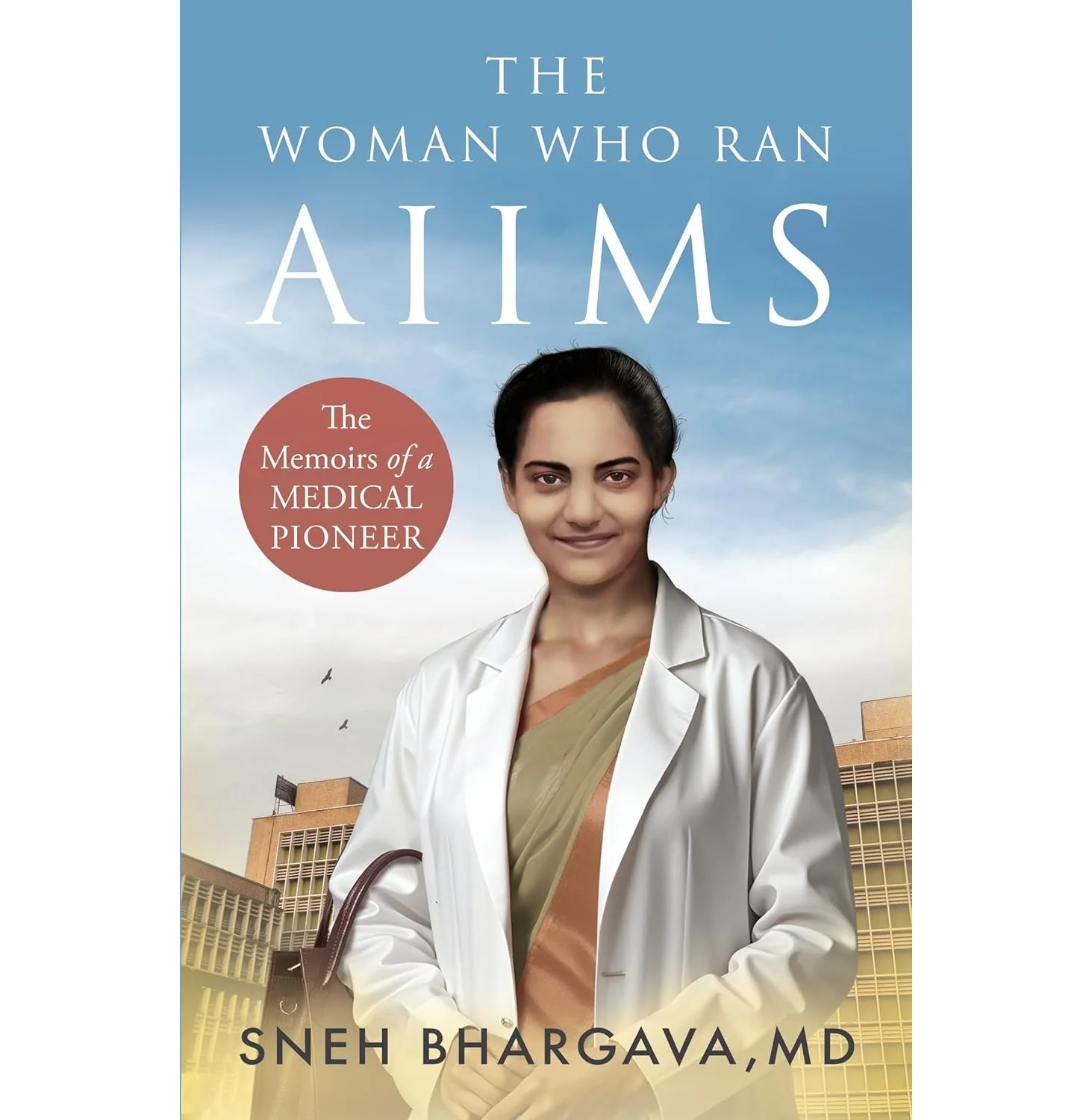
Discover the inspiring journey of Dr. Sneh Bhargava, one of the pioneering women in medicine, through her compelling memoir.
Born in 1930, Dr. Sneh Bhargava made history as the first and only woman to serve as the director of AIIMS, a prestigious medical institution in India. Taking on this monumental role in 1984 during a national crisis, she was at the helm when Prime Minister Indira Gandhi was brought in after an assassination attempt. This gripping event is just one of the many fascinating tales captured in her book.
In her memoir, Dr. Bhargava shares intriguing stories from a transformative era in medicine. Among these is her experience during the announcement of the CT scanner invention in the 1970s—a revolutionary innovation that she advocated to bring to India. Prior to this, X-rays and invasive surgeries were the primary methods for examining patients internally. Her efforts changed the landscape of diagnostic medicine in the country.
This book is not merely a recounting of Dr. Bhargava's personal achievements; it also delves into significant moments in the history of Indian medicine. From the mystery surrounding the disappearance of radium needles at Lady Hardinge Medical College to her diagnosis of a sitting president with lung cancer using only an X-ray, each story is a testament to her expertise and commitment to patient care.
After retiring in 1990, Dr. Bhargava continued to shape the future of healthcare by playing a key role in establishing two prominent hospitals in New Delhi. Her career was temporarily interrupted by COVID-19 regulations as she was forced into retirement in her 90s, but rather than slowing down, she seized the opportunity to pen this candid memoir.
This book serves as a rich narrative not only of Dr. Bhargava's extraordinary life but also offers insights into the evolution of medicine in post-Independence India. It stands as a powerful illustration of what it truly means to live a life of service, making it a must-read for anyone interested in the intersection of healthcare, history, and personal grit.
Product Information
Product Information
Shipping & Returns
Shipping & Returns
The Woman Who Ran Aiims
The Woman Who Ran Aiims
Discover the inspiring journey of Dr. Sneh Bhargava, one of the pioneering women in medicine, through her compelling memoir.
Born in 1930, Dr. Sneh Bhargava made history as the first and only woman to serve as the director of AIIMS, a prestigious medical institution in India. Taking on this monumental role in 1984 during a national crisis, she was at the helm when Prime Minister Indira Gandhi was brought in after an assassination attempt. This gripping event is just one of the many fascinating tales captured in her book.
In her memoir, Dr. Bhargava shares intriguing stories from a transformative era in medicine. Among these is her experience during the announcement of the CT scanner invention in the 1970s—a revolutionary innovation that she advocated to bring to India. Prior to this, X-rays and invasive surgeries were the primary methods for examining patients internally. Her efforts changed the landscape of diagnostic medicine in the country.
This book is not merely a recounting of Dr. Bhargava's personal achievements; it also delves into significant moments in the history of Indian medicine. From the mystery surrounding the disappearance of radium needles at Lady Hardinge Medical College to her diagnosis of a sitting president with lung cancer using only an X-ray, each story is a testament to her expertise and commitment to patient care.
After retiring in 1990, Dr. Bhargava continued to shape the future of healthcare by playing a key role in establishing two prominent hospitals in New Delhi. Her career was temporarily interrupted by COVID-19 regulations as she was forced into retirement in her 90s, but rather than slowing down, she seized the opportunity to pen this candid memoir.
This book serves as a rich narrative not only of Dr. Bhargava's extraordinary life but also offers insights into the evolution of medicine in post-Independence India. It stands as a powerful illustration of what it truly means to live a life of service, making it a must-read for anyone interested in the intersection of healthcare, history, and personal grit.
Original: $6.38
-70%$6.38
$1.91Product Information
Product Information
Shipping & Returns
Shipping & Returns
Description
Discover the inspiring journey of Dr. Sneh Bhargava, one of the pioneering women in medicine, through her compelling memoir.
Born in 1930, Dr. Sneh Bhargava made history as the first and only woman to serve as the director of AIIMS, a prestigious medical institution in India. Taking on this monumental role in 1984 during a national crisis, she was at the helm when Prime Minister Indira Gandhi was brought in after an assassination attempt. This gripping event is just one of the many fascinating tales captured in her book.
In her memoir, Dr. Bhargava shares intriguing stories from a transformative era in medicine. Among these is her experience during the announcement of the CT scanner invention in the 1970s—a revolutionary innovation that she advocated to bring to India. Prior to this, X-rays and invasive surgeries were the primary methods for examining patients internally. Her efforts changed the landscape of diagnostic medicine in the country.
This book is not merely a recounting of Dr. Bhargava's personal achievements; it also delves into significant moments in the history of Indian medicine. From the mystery surrounding the disappearance of radium needles at Lady Hardinge Medical College to her diagnosis of a sitting president with lung cancer using only an X-ray, each story is a testament to her expertise and commitment to patient care.
After retiring in 1990, Dr. Bhargava continued to shape the future of healthcare by playing a key role in establishing two prominent hospitals in New Delhi. Her career was temporarily interrupted by COVID-19 regulations as she was forced into retirement in her 90s, but rather than slowing down, she seized the opportunity to pen this candid memoir.
This book serves as a rich narrative not only of Dr. Bhargava's extraordinary life but also offers insights into the evolution of medicine in post-Independence India. It stands as a powerful illustration of what it truly means to live a life of service, making it a must-read for anyone interested in the intersection of healthcare, history, and personal grit.


