Vijayanagara
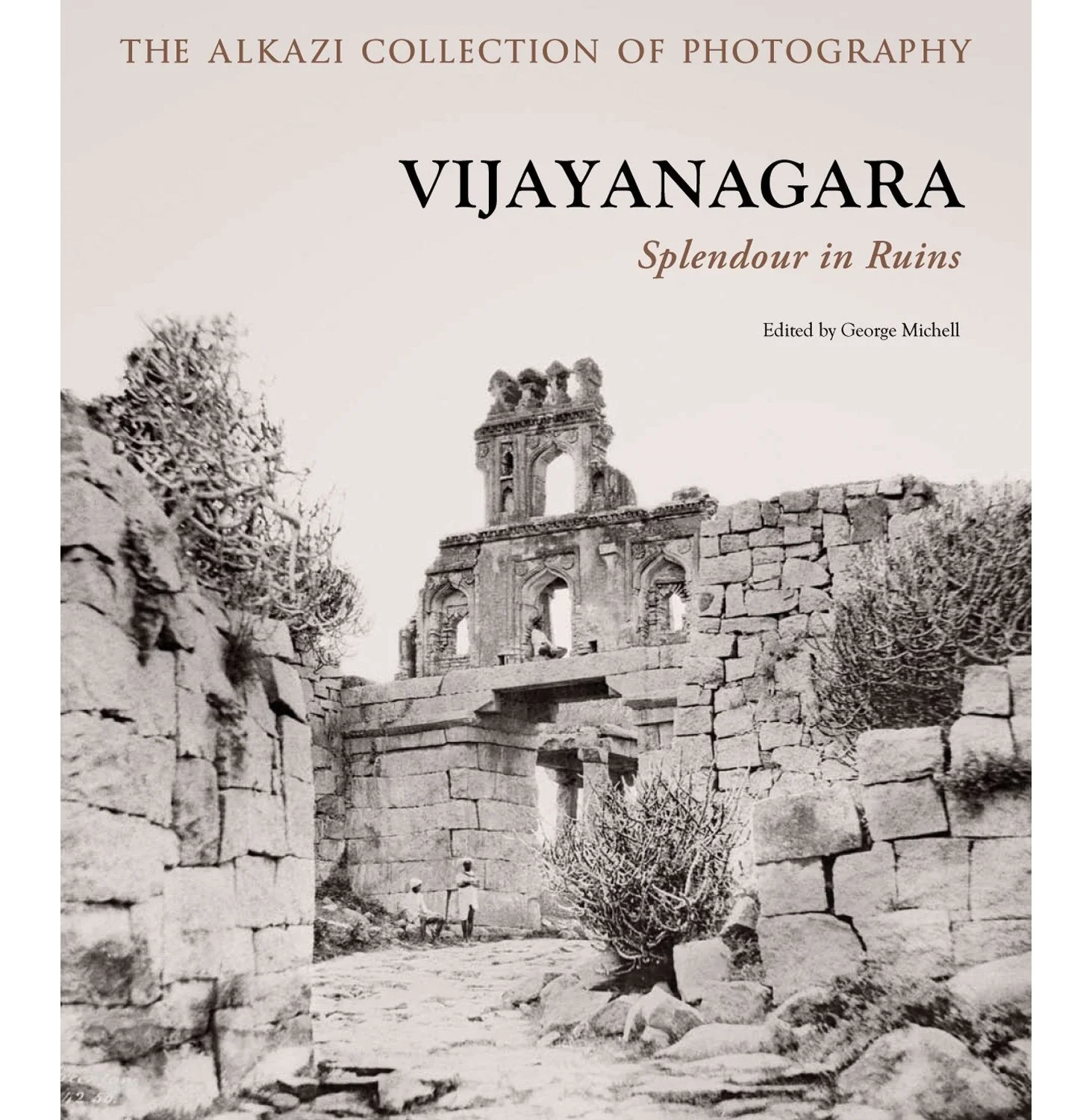
Vijayanagara invites history lovers and photography enthusiasts to step into an imperial Hindu capital as seen through the lens of 19th‑century innovation. The book centers on Alexander Greenlaw, who first arrived in 1855 and used monumental paper negatives to capture the city’s temples, shrines, palaces, and pleasure pavilions, all set against the dramatic natural landscape that framed Vijayanagara’s grand story. It also surveys the continued work of photographers such as William Pigou, Edmond David Lyon, and Nicholas & Co., telling a broader tale of how photography helped preserve this remarkable cultural heritage. With a preface by John Gollings and contributions from Sophie Gordon, George Michell, Anila Verghese, and Mike Ware, Vijayanagara offers a fresh, cinematic view that speaks to both history buffs and photography lovers.
Vijayanagara is crafted as a richly narrated, image‑driven journey. The book pairs Greenlaw’s historic negatives with thoughtful commentary, guiding readers through precincts, ruins, and vistas to reveal how architecture and landscape together tell a city’s life. The experience is enhanced by careful sequencing, detailed captions, and a visually arresting presentation that makes the past feel immediate. While the content is deeply rooted in documentary history, the pacing remains accessible and engaging, inviting readers to notice light, form, and memory in equal measure.
Key elements, standout features, and learning experiences in Vijayanagara include:
- Historic images from Alexander Greenlaw and later photographers, depicting temples, shrines, palaces, and pavilions.
- A comparative photography approach that shows how different photographers captured the same ruins and landscapes.
- Essays and notes by respected experts that illuminate 19th‑century documentary practices and preservation efforts.
- Elegant reproductions and accessible explanations that bring architectural detail and natural setting to life.
After finishing Vijayanagara, readers gain a deeper appreciation for India’s cultural legacy and the pivotal role of photography in preserving history. The book leaves you with a sense of wonder at the city’s ruins and a clearer understanding of how image—when thoughtfully paired with text—can illuminate the past and shape future curiosity.
Product Information
Product Information
Shipping & Returns
Shipping & Returns
Vijayanagara
Vijayanagara
Vijayanagara invites history lovers and photography enthusiasts to step into an imperial Hindu capital as seen through the lens of 19th‑century innovation. The book centers on Alexander Greenlaw, who first arrived in 1855 and used monumental paper negatives to capture the city’s temples, shrines, palaces, and pleasure pavilions, all set against the dramatic natural landscape that framed Vijayanagara’s grand story. It also surveys the continued work of photographers such as William Pigou, Edmond David Lyon, and Nicholas & Co., telling a broader tale of how photography helped preserve this remarkable cultural heritage. With a preface by John Gollings and contributions from Sophie Gordon, George Michell, Anila Verghese, and Mike Ware, Vijayanagara offers a fresh, cinematic view that speaks to both history buffs and photography lovers.
Vijayanagara is crafted as a richly narrated, image‑driven journey. The book pairs Greenlaw’s historic negatives with thoughtful commentary, guiding readers through precincts, ruins, and vistas to reveal how architecture and landscape together tell a city’s life. The experience is enhanced by careful sequencing, detailed captions, and a visually arresting presentation that makes the past feel immediate. While the content is deeply rooted in documentary history, the pacing remains accessible and engaging, inviting readers to notice light, form, and memory in equal measure.
Key elements, standout features, and learning experiences in Vijayanagara include:
- Historic images from Alexander Greenlaw and later photographers, depicting temples, shrines, palaces, and pavilions.
- A comparative photography approach that shows how different photographers captured the same ruins and landscapes.
- Essays and notes by respected experts that illuminate 19th‑century documentary practices and preservation efforts.
- Elegant reproductions and accessible explanations that bring architectural detail and natural setting to life.
After finishing Vijayanagara, readers gain a deeper appreciation for India’s cultural legacy and the pivotal role of photography in preserving history. The book leaves you with a sense of wonder at the city’s ruins and a clearer understanding of how image—when thoughtfully paired with text—can illuminate the past and shape future curiosity.
Original: $26.03
-70%$26.03
$7.81Product Information
Product Information
Shipping & Returns
Shipping & Returns
Description
Vijayanagara invites history lovers and photography enthusiasts to step into an imperial Hindu capital as seen through the lens of 19th‑century innovation. The book centers on Alexander Greenlaw, who first arrived in 1855 and used monumental paper negatives to capture the city’s temples, shrines, palaces, and pleasure pavilions, all set against the dramatic natural landscape that framed Vijayanagara’s grand story. It also surveys the continued work of photographers such as William Pigou, Edmond David Lyon, and Nicholas & Co., telling a broader tale of how photography helped preserve this remarkable cultural heritage. With a preface by John Gollings and contributions from Sophie Gordon, George Michell, Anila Verghese, and Mike Ware, Vijayanagara offers a fresh, cinematic view that speaks to both history buffs and photography lovers.
Vijayanagara is crafted as a richly narrated, image‑driven journey. The book pairs Greenlaw’s historic negatives with thoughtful commentary, guiding readers through precincts, ruins, and vistas to reveal how architecture and landscape together tell a city’s life. The experience is enhanced by careful sequencing, detailed captions, and a visually arresting presentation that makes the past feel immediate. While the content is deeply rooted in documentary history, the pacing remains accessible and engaging, inviting readers to notice light, form, and memory in equal measure.
Key elements, standout features, and learning experiences in Vijayanagara include:
- Historic images from Alexander Greenlaw and later photographers, depicting temples, shrines, palaces, and pavilions.
- A comparative photography approach that shows how different photographers captured the same ruins and landscapes.
- Essays and notes by respected experts that illuminate 19th‑century documentary practices and preservation efforts.
- Elegant reproductions and accessible explanations that bring architectural detail and natural setting to life.
After finishing Vijayanagara, readers gain a deeper appreciation for India’s cultural legacy and the pivotal role of photography in preserving history. The book leaves you with a sense of wonder at the city’s ruins and a clearer understanding of how image—when thoughtfully paired with text—can illuminate the past and shape future curiosity.