Western Media Narratives On India: From Gandhi To Modi
Western Media Narratives On India: From Gandhi To Modi offers a thoughtful examination of how Western press has portrayed India across decades, tracing a thread from the era of Mahatma Gandhi to the contemporary leadership of Narendra Modi. This non-fiction work sits at the crossroads of media studies, history, and political discourse, and it is written for curious readers, students, educators, and professionals who want to understand how media framing shapes perceptions of a vast and diverse nation. The tone is balanced, insightful, and accessible, inviting readers to explore headlines with nuance and empathy.
Structured as a chronological journey, the book pairs major political moments with representative media coverage, showing how narratives shift in response to geopolitics, economics, and cultural exchange. Through careful case studies and comparative analysis, it reveals patterns in framing, attribution of blame or praise, and the portrayal of actors and institutions.
For readers new to media studies or to India, complex ideas are explained clearly. Key concepts such as framing, bias, representation, and soft power are illustrated with concrete examples, making the material accessible without sacrificing rigor. The writing is engaging, with real-world relevance that helps readers think critically about what they read and watch.
- Comprehensive analysis of Western media portrayals of India from Gandhi’s era to Modi’s era
- Case studies and historical context across major decades
- Clear explanations of media framing, bias, representation, and soft power
- Accessible, narrative-driven writing suited for students and general readers
- Structured chronology with key terms and suggested further reading
After reading Western Media Narratives On India: From Gandhi To Modi, readers gain a nuanced understanding of how Western coverage shapes perceptions of India, empowering them to read news more critically and to appreciate the country’s rich history beyond headlines.
Product Information
Product Information
Shipping & Returns
Shipping & Returns
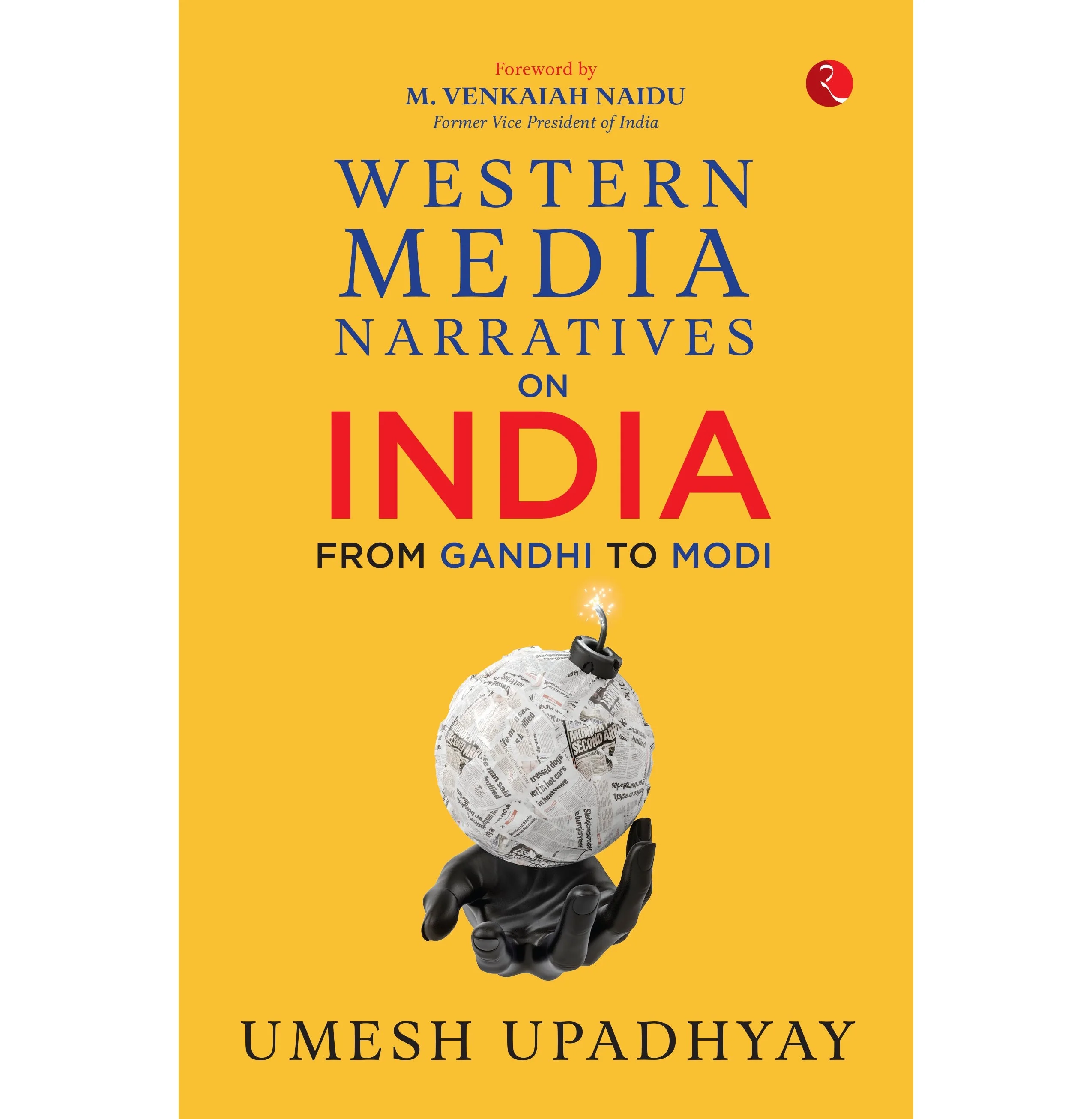
Western Media Narratives On India: From Gandhi To Modi
Western Media Narratives On India: From Gandhi To Modi
Western Media Narratives On India: From Gandhi To Modi offers a thoughtful examination of how Western press has portrayed India across decades, tracing a thread from the era of Mahatma Gandhi to the contemporary leadership of Narendra Modi. This non-fiction work sits at the crossroads of media studies, history, and political discourse, and it is written for curious readers, students, educators, and professionals who want to understand how media framing shapes perceptions of a vast and diverse nation. The tone is balanced, insightful, and accessible, inviting readers to explore headlines with nuance and empathy.
Structured as a chronological journey, the book pairs major political moments with representative media coverage, showing how narratives shift in response to geopolitics, economics, and cultural exchange. Through careful case studies and comparative analysis, it reveals patterns in framing, attribution of blame or praise, and the portrayal of actors and institutions.
For readers new to media studies or to India, complex ideas are explained clearly. Key concepts such as framing, bias, representation, and soft power are illustrated with concrete examples, making the material accessible without sacrificing rigor. The writing is engaging, with real-world relevance that helps readers think critically about what they read and watch.
- Comprehensive analysis of Western media portrayals of India from Gandhi’s era to Modi’s era
- Case studies and historical context across major decades
- Clear explanations of media framing, bias, representation, and soft power
- Accessible, narrative-driven writing suited for students and general readers
- Structured chronology with key terms and suggested further reading
After reading Western Media Narratives On India: From Gandhi To Modi, readers gain a nuanced understanding of how Western coverage shapes perceptions of India, empowering them to read news more critically and to appreciate the country’s rich history beyond headlines.
Product Information
Product Information
Shipping & Returns
Shipping & Returns
Description
Western Media Narratives On India: From Gandhi To Modi offers a thoughtful examination of how Western press has portrayed India across decades, tracing a thread from the era of Mahatma Gandhi to the contemporary leadership of Narendra Modi. This non-fiction work sits at the crossroads of media studies, history, and political discourse, and it is written for curious readers, students, educators, and professionals who want to understand how media framing shapes perceptions of a vast and diverse nation. The tone is balanced, insightful, and accessible, inviting readers to explore headlines with nuance and empathy.
Structured as a chronological journey, the book pairs major political moments with representative media coverage, showing how narratives shift in response to geopolitics, economics, and cultural exchange. Through careful case studies and comparative analysis, it reveals patterns in framing, attribution of blame or praise, and the portrayal of actors and institutions.
For readers new to media studies or to India, complex ideas are explained clearly. Key concepts such as framing, bias, representation, and soft power are illustrated with concrete examples, making the material accessible without sacrificing rigor. The writing is engaging, with real-world relevance that helps readers think critically about what they read and watch.
- Comprehensive analysis of Western media portrayals of India from Gandhi’s era to Modi’s era
- Case studies and historical context across major decades
- Clear explanations of media framing, bias, representation, and soft power
- Accessible, narrative-driven writing suited for students and general readers
- Structured chronology with key terms and suggested further reading
After reading Western Media Narratives On India: From Gandhi To Modi, readers gain a nuanced understanding of how Western coverage shapes perceptions of India, empowering them to read news more critically and to appreciate the country’s rich history beyond headlines.