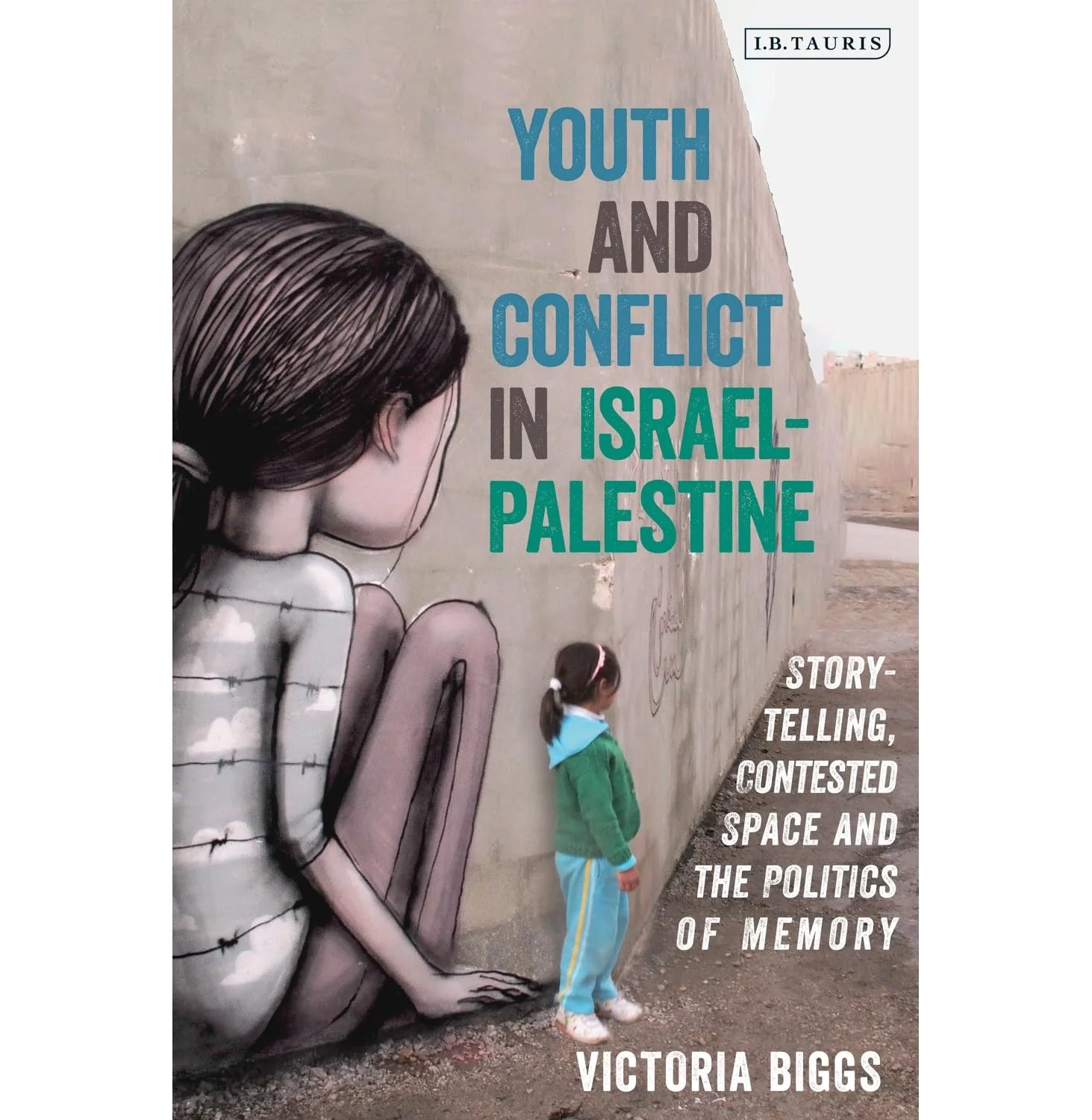
Youth And Conflict In Israel-Palestine
This non-fiction study examines how forbidden histories are told and transmitted by young people in Israel and Palestine. It centers on storytelling as a way to navigate borders, memory, and questions of belonging, revealing everyday experiences of segregation and political violence. The book speaks to educators, students, researchers, and curious readers seeking a deeper understanding of youth perspectives in conflict, delivering an educational, thought-provoking, and human-centered tone.
This work blends ethnographic storytelling with rigorous analysis, drawing on voices from Palestinian refugee camps and Israeli settlement homes. It examines how language, metaphor, and endings in young people’s stories act as political acts that shape notions of community, exclusion, and belonging. Key concepts include memory transmission, identity formation, and boundary dynamics, presented in accessible language to support classroom discussions and self-guided study.
Readers experience a story-led, evidence-based exploration that centers youth voices and moves from intimate accounts to larger questions about memory, borders, and identity. Its distinctive approach invites reflection, offering concrete extracts and thoughtful interpretation that make complex topics approachable for diverse readers.
- Diverse voices from across border communities presented through first-person stories
- Close analysis of language, metaphor, violence, and narrative endings
- Exploration of memory, belonging, and perceptions of the “other”
- Clear, accessible prose paired with rigorous methodology
- Supports classroom discussion, seminars, and independent study
After reading, you gain a nuanced understanding of how youth navigate conflict, express agency through storytelling, and imagine belonging beyond barriers. The work builds empathy, critical thinking, and curiosity about memory and identity, leaving a lasting impression on educators, students, and anyone invested in conflict studies and youth voices.
Product Information
Product Information
Shipping & Returns
Shipping & Returns
Youth And Conflict In Israel-Palestine
Youth And Conflict In Israel-Palestine
This non-fiction study examines how forbidden histories are told and transmitted by young people in Israel and Palestine. It centers on storytelling as a way to navigate borders, memory, and questions of belonging, revealing everyday experiences of segregation and political violence. The book speaks to educators, students, researchers, and curious readers seeking a deeper understanding of youth perspectives in conflict, delivering an educational, thought-provoking, and human-centered tone.
This work blends ethnographic storytelling with rigorous analysis, drawing on voices from Palestinian refugee camps and Israeli settlement homes. It examines how language, metaphor, and endings in young people’s stories act as political acts that shape notions of community, exclusion, and belonging. Key concepts include memory transmission, identity formation, and boundary dynamics, presented in accessible language to support classroom discussions and self-guided study.
Readers experience a story-led, evidence-based exploration that centers youth voices and moves from intimate accounts to larger questions about memory, borders, and identity. Its distinctive approach invites reflection, offering concrete extracts and thoughtful interpretation that make complex topics approachable for diverse readers.
- Diverse voices from across border communities presented through first-person stories
- Close analysis of language, metaphor, violence, and narrative endings
- Exploration of memory, belonging, and perceptions of the “other”
- Clear, accessible prose paired with rigorous methodology
- Supports classroom discussion, seminars, and independent study
After reading, you gain a nuanced understanding of how youth navigate conflict, express agency through storytelling, and imagine belonging beyond barriers. The work builds empathy, critical thinking, and curiosity about memory and identity, leaving a lasting impression on educators, students, and anyone invested in conflict studies and youth voices.
Product Information
Product Information
Shipping & Returns
Shipping & Returns
Description
This non-fiction study examines how forbidden histories are told and transmitted by young people in Israel and Palestine. It centers on storytelling as a way to navigate borders, memory, and questions of belonging, revealing everyday experiences of segregation and political violence. The book speaks to educators, students, researchers, and curious readers seeking a deeper understanding of youth perspectives in conflict, delivering an educational, thought-provoking, and human-centered tone.
This work blends ethnographic storytelling with rigorous analysis, drawing on voices from Palestinian refugee camps and Israeli settlement homes. It examines how language, metaphor, and endings in young people’s stories act as political acts that shape notions of community, exclusion, and belonging. Key concepts include memory transmission, identity formation, and boundary dynamics, presented in accessible language to support classroom discussions and self-guided study.
Readers experience a story-led, evidence-based exploration that centers youth voices and moves from intimate accounts to larger questions about memory, borders, and identity. Its distinctive approach invites reflection, offering concrete extracts and thoughtful interpretation that make complex topics approachable for diverse readers.
- Diverse voices from across border communities presented through first-person stories
- Close analysis of language, metaphor, violence, and narrative endings
- Exploration of memory, belonging, and perceptions of the “other”
- Clear, accessible prose paired with rigorous methodology
- Supports classroom discussion, seminars, and independent study
After reading, you gain a nuanced understanding of how youth navigate conflict, express agency through storytelling, and imagine belonging beyond barriers. The work builds empathy, critical thinking, and curiosity about memory and identity, leaving a lasting impression on educators, students, and anyone invested in conflict studies and youth voices.