Discriminations: Achieving Peace In The Culture Wars
This non-fiction, philosophy-informed examination of the culture wars seeks to illuminate how public discourse becomes heated, divisive, and often punitive. Its central aim is to understand the mechanisms of online outrage, social sanction, and cancellation, and to offer paths toward calmer, more constructive dialogue. It speaks to adults and students of politics, philosophy, media studies, and anyone who wants to engage more thoughtfully in heated debates. The tone is measured, hopeful, and intellectually rigorous.
Presented through historically grounded analysis, the book traces patterns of ostracism and public shaming from ancient practices to modern digital culture. It blends philosophical insight with historical context to explain why conversations derail, how power shifts in public discourse, and what it would take to sustain civil, critical exchange. The reading experience is distinctive for its careful reasoning, balanced perspective, and practical takeaways for handling disagreement with clarity and respect.
Readers move through concise chapters that build concepts step by step, supported by thoughtful examples and reflective prompts. This approach makes complex ideas accessible without simplifying them, inviting readers to examine their own responses, test assumptions, and practice more intentional, evidence-based arguing. Educational and applicable, it fosters stronger media literacy and sharper critical thinking for navigating today’s public square.
- Historical context spanning ancient ostracism to modern cancel culture and digital public squares
- Key concepts such as social sanction, civil discourse, constructive disagreement, and intellectual humility
- Philosophy-informed analysis that explains why conversations sharpen or fracture
- Practical strategies for respectful dialogue, evidence evaluation, and collaborative problem-solving
- Clear, accessible writing with thought-provoking case examples and reflective prompts
After finishing, readers gain a nuanced understanding of the dynamics shaping contemporary culture wars, plus practical tools to engage more thoughtfully online and offline. It equips them to approach difficult conversations with curiosity, confidence, and a renewed sense of possibility for peaceful, reasoned exchange.
Product Information
Product Information
Shipping & Returns
Shipping & Returns
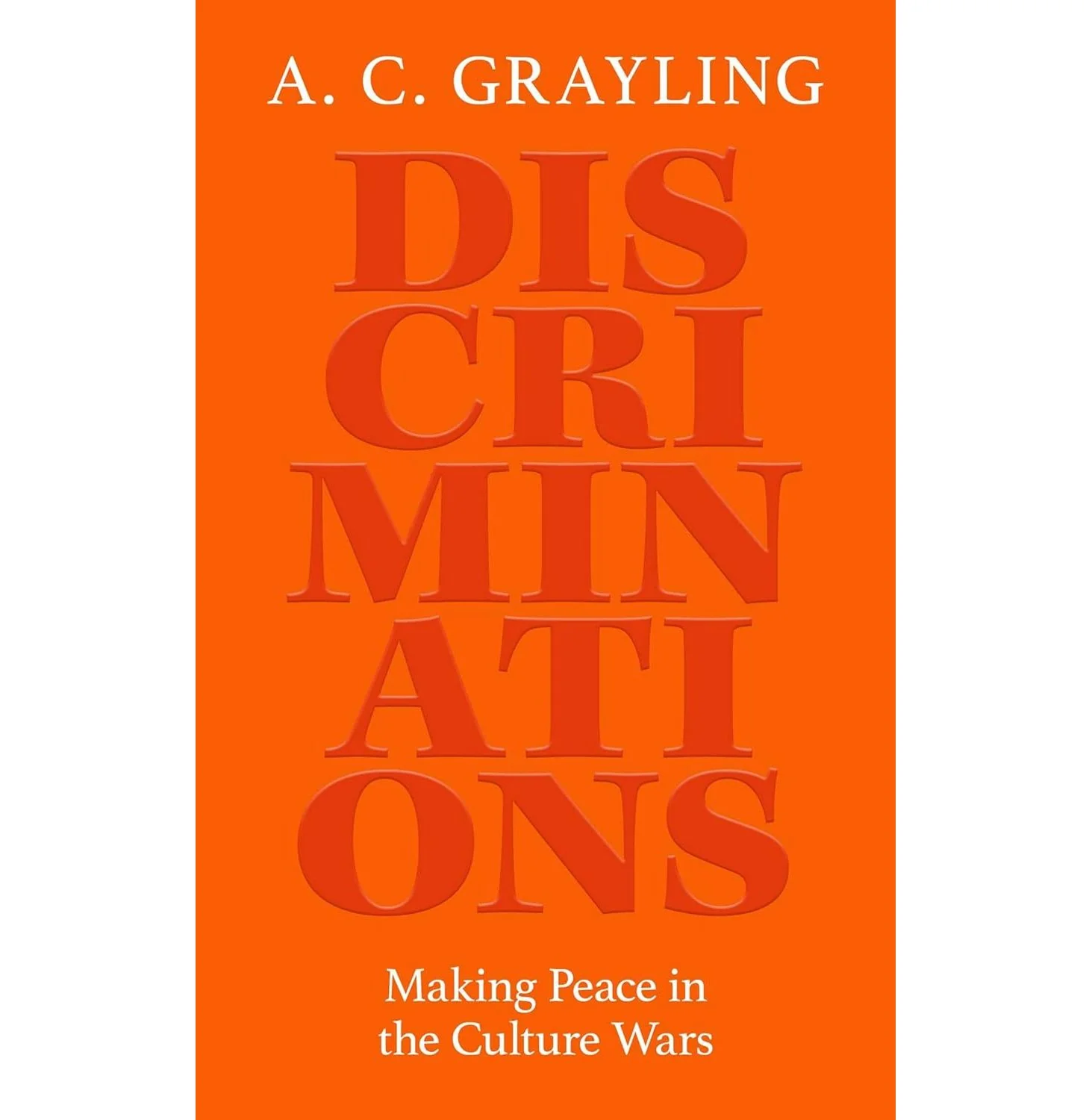
Discriminations: Achieving Peace In The Culture Wars
Discriminations: Achieving Peace In The Culture Wars
This non-fiction, philosophy-informed examination of the culture wars seeks to illuminate how public discourse becomes heated, divisive, and often punitive. Its central aim is to understand the mechanisms of online outrage, social sanction, and cancellation, and to offer paths toward calmer, more constructive dialogue. It speaks to adults and students of politics, philosophy, media studies, and anyone who wants to engage more thoughtfully in heated debates. The tone is measured, hopeful, and intellectually rigorous.
Presented through historically grounded analysis, the book traces patterns of ostracism and public shaming from ancient practices to modern digital culture. It blends philosophical insight with historical context to explain why conversations derail, how power shifts in public discourse, and what it would take to sustain civil, critical exchange. The reading experience is distinctive for its careful reasoning, balanced perspective, and practical takeaways for handling disagreement with clarity and respect.
Readers move through concise chapters that build concepts step by step, supported by thoughtful examples and reflective prompts. This approach makes complex ideas accessible without simplifying them, inviting readers to examine their own responses, test assumptions, and practice more intentional, evidence-based arguing. Educational and applicable, it fosters stronger media literacy and sharper critical thinking for navigating today’s public square.
- Historical context spanning ancient ostracism to modern cancel culture and digital public squares
- Key concepts such as social sanction, civil discourse, constructive disagreement, and intellectual humility
- Philosophy-informed analysis that explains why conversations sharpen or fracture
- Practical strategies for respectful dialogue, evidence evaluation, and collaborative problem-solving
- Clear, accessible writing with thought-provoking case examples and reflective prompts
After finishing, readers gain a nuanced understanding of the dynamics shaping contemporary culture wars, plus practical tools to engage more thoughtfully online and offline. It equips them to approach difficult conversations with curiosity, confidence, and a renewed sense of possibility for peaceful, reasoned exchange.
Product Information
Product Information
Shipping & Returns
Shipping & Returns
Description
This non-fiction, philosophy-informed examination of the culture wars seeks to illuminate how public discourse becomes heated, divisive, and often punitive. Its central aim is to understand the mechanisms of online outrage, social sanction, and cancellation, and to offer paths toward calmer, more constructive dialogue. It speaks to adults and students of politics, philosophy, media studies, and anyone who wants to engage more thoughtfully in heated debates. The tone is measured, hopeful, and intellectually rigorous.
Presented through historically grounded analysis, the book traces patterns of ostracism and public shaming from ancient practices to modern digital culture. It blends philosophical insight with historical context to explain why conversations derail, how power shifts in public discourse, and what it would take to sustain civil, critical exchange. The reading experience is distinctive for its careful reasoning, balanced perspective, and practical takeaways for handling disagreement with clarity and respect.
Readers move through concise chapters that build concepts step by step, supported by thoughtful examples and reflective prompts. This approach makes complex ideas accessible without simplifying them, inviting readers to examine their own responses, test assumptions, and practice more intentional, evidence-based arguing. Educational and applicable, it fosters stronger media literacy and sharper critical thinking for navigating today’s public square.
- Historical context spanning ancient ostracism to modern cancel culture and digital public squares
- Key concepts such as social sanction, civil discourse, constructive disagreement, and intellectual humility
- Philosophy-informed analysis that explains why conversations sharpen or fracture
- Practical strategies for respectful dialogue, evidence evaluation, and collaborative problem-solving
- Clear, accessible writing with thought-provoking case examples and reflective prompts
After finishing, readers gain a nuanced understanding of the dynamics shaping contemporary culture wars, plus practical tools to engage more thoughtfully online and offline. It equips them to approach difficult conversations with curiosity, confidence, and a renewed sense of possibility for peaceful, reasoned exchange.