The Emperor’S General The Life And Times Of Raja Man Singh Of Amber
This non-fiction biography traces the life of a 16th‑century Rajput prince who became a central figure at the Mughal court. It centers on loyalty, diplomacy, and empire-building, showing how battlefield prowess sits alongside patronage, culture, and statecraft. The book is ideal for history enthusiasts, students, and curious readers seeking a grounded, human portrait of a transformative era, told in a thoughtful, engaging voice. Designed with accessibility in mind, it invites an interactive learning approach and supports activity-based learning in historical biography for a broad audience.
Presented as a richly sourced narrative, the work blends chronicles, bardic traditions, and architectural evidence to map Man Singh’s journey from the Indus frontier to the battlefield of Haldighati, and from Kabul’s passes to Bengal. The result is history that feels immediate—combat and campaigns sit beside temple building, court politics, and the making of a thriving cultural center—anchored by careful research and period detail. The narration also invites readers to develop historical thinking: weighing sources, tracing cause and effect, and connecting political moves to broader social change.
What makes this biography distinctive is its seamless weaving of military life with cultural patronage and governance. Readers follow a life in motion—strategic decisions, alliances, and acts of statesmanship—while gaining a broader understanding of how Rajput and Mughal worlds intersected to shape an empire and a shared cultural landscape. The writing blends clarity with depth, making complex history accessible and rewarding for both casual readers and students seeking deeper insights into early modern India.
- Key content elements: biography of Raja Man Singh across major campaigns and regions; examination of alliances, diplomacy, and temple and city patronage; the era’s cultural synthesis.
- Learning outcomes or reader engagement: improved understanding of Rajput–Mughal relations, imperial expansion, and how politics and culture influence one another.
- Illustration or writing style: clear, authoritative narrative that balances rigorous research with engaging storytelling.
- Interactive or standout features: a multi-source approach drawing on chronicles, bardic traditions, and architectural evidence to illuminate a pivotal era.
After finishing, readers gain a nuanced understanding of a pivotal period in Indian history, with fresh insight into loyalty, ambition, and cultural exchange. The book invites curiosity about how individuals can illuminate the broader currents of empire, art, and architecture, leaving a lasting impression of a richly interconnected age.
Product Information
Product Information
Shipping & Returns
Shipping & Returns
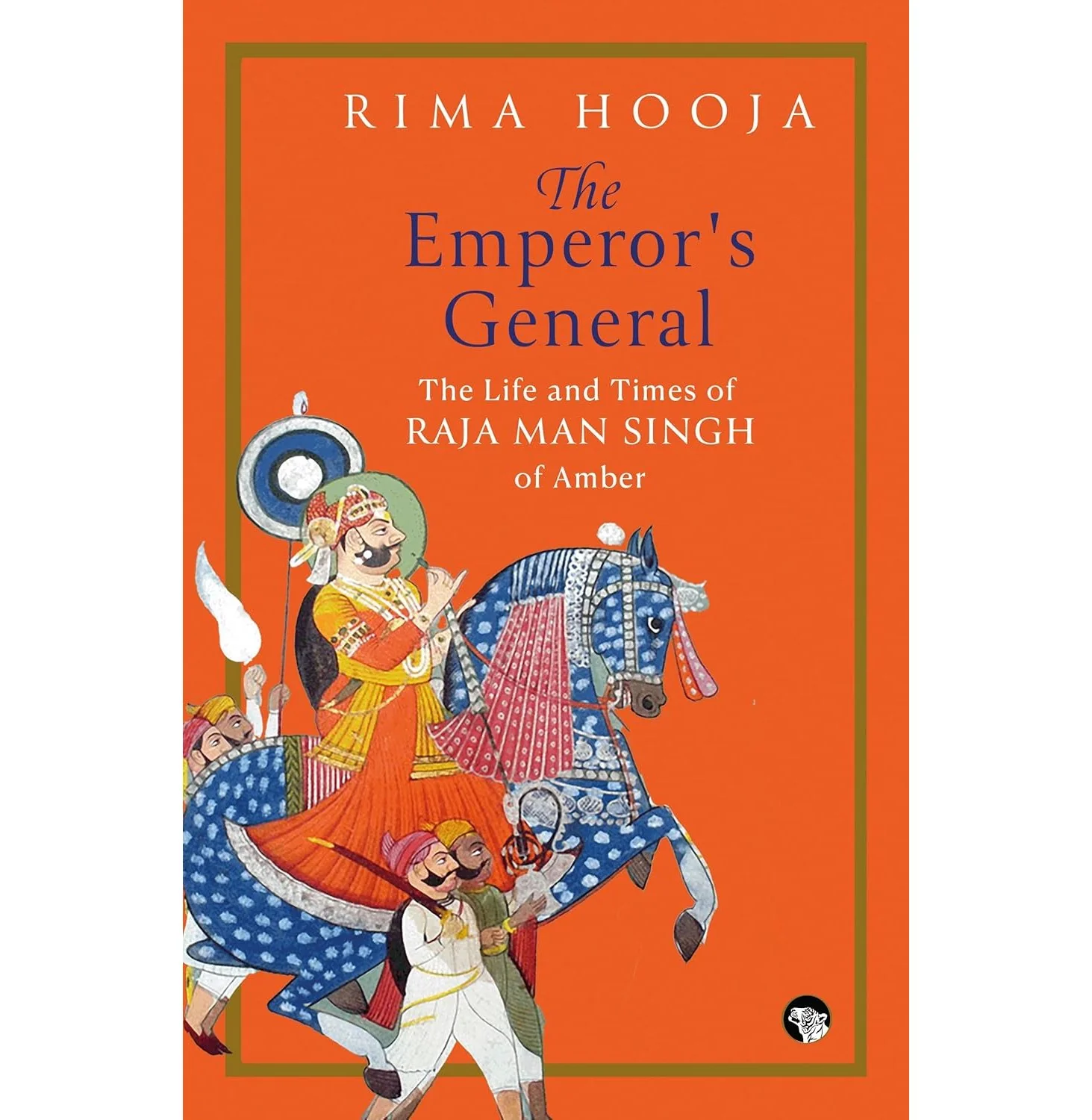
The Emperor’S General The Life And Times Of Raja Man Singh Of Amber
The Emperor’S General The Life And Times Of Raja Man Singh Of Amber
This non-fiction biography traces the life of a 16th‑century Rajput prince who became a central figure at the Mughal court. It centers on loyalty, diplomacy, and empire-building, showing how battlefield prowess sits alongside patronage, culture, and statecraft. The book is ideal for history enthusiasts, students, and curious readers seeking a grounded, human portrait of a transformative era, told in a thoughtful, engaging voice. Designed with accessibility in mind, it invites an interactive learning approach and supports activity-based learning in historical biography for a broad audience.
Presented as a richly sourced narrative, the work blends chronicles, bardic traditions, and architectural evidence to map Man Singh’s journey from the Indus frontier to the battlefield of Haldighati, and from Kabul’s passes to Bengal. The result is history that feels immediate—combat and campaigns sit beside temple building, court politics, and the making of a thriving cultural center—anchored by careful research and period detail. The narration also invites readers to develop historical thinking: weighing sources, tracing cause and effect, and connecting political moves to broader social change.
What makes this biography distinctive is its seamless weaving of military life with cultural patronage and governance. Readers follow a life in motion—strategic decisions, alliances, and acts of statesmanship—while gaining a broader understanding of how Rajput and Mughal worlds intersected to shape an empire and a shared cultural landscape. The writing blends clarity with depth, making complex history accessible and rewarding for both casual readers and students seeking deeper insights into early modern India.
- Key content elements: biography of Raja Man Singh across major campaigns and regions; examination of alliances, diplomacy, and temple and city patronage; the era’s cultural synthesis.
- Learning outcomes or reader engagement: improved understanding of Rajput–Mughal relations, imperial expansion, and how politics and culture influence one another.
- Illustration or writing style: clear, authoritative narrative that balances rigorous research with engaging storytelling.
- Interactive or standout features: a multi-source approach drawing on chronicles, bardic traditions, and architectural evidence to illuminate a pivotal era.
After finishing, readers gain a nuanced understanding of a pivotal period in Indian history, with fresh insight into loyalty, ambition, and cultural exchange. The book invites curiosity about how individuals can illuminate the broader currents of empire, art, and architecture, leaving a lasting impression of a richly interconnected age.
Original: $5.79
-70%$5.79
$1.74Product Information
Product Information
Shipping & Returns
Shipping & Returns
Description
This non-fiction biography traces the life of a 16th‑century Rajput prince who became a central figure at the Mughal court. It centers on loyalty, diplomacy, and empire-building, showing how battlefield prowess sits alongside patronage, culture, and statecraft. The book is ideal for history enthusiasts, students, and curious readers seeking a grounded, human portrait of a transformative era, told in a thoughtful, engaging voice. Designed with accessibility in mind, it invites an interactive learning approach and supports activity-based learning in historical biography for a broad audience.
Presented as a richly sourced narrative, the work blends chronicles, bardic traditions, and architectural evidence to map Man Singh’s journey from the Indus frontier to the battlefield of Haldighati, and from Kabul’s passes to Bengal. The result is history that feels immediate—combat and campaigns sit beside temple building, court politics, and the making of a thriving cultural center—anchored by careful research and period detail. The narration also invites readers to develop historical thinking: weighing sources, tracing cause and effect, and connecting political moves to broader social change.
What makes this biography distinctive is its seamless weaving of military life with cultural patronage and governance. Readers follow a life in motion—strategic decisions, alliances, and acts of statesmanship—while gaining a broader understanding of how Rajput and Mughal worlds intersected to shape an empire and a shared cultural landscape. The writing blends clarity with depth, making complex history accessible and rewarding for both casual readers and students seeking deeper insights into early modern India.
- Key content elements: biography of Raja Man Singh across major campaigns and regions; examination of alliances, diplomacy, and temple and city patronage; the era’s cultural synthesis.
- Learning outcomes or reader engagement: improved understanding of Rajput–Mughal relations, imperial expansion, and how politics and culture influence one another.
- Illustration or writing style: clear, authoritative narrative that balances rigorous research with engaging storytelling.
- Interactive or standout features: a multi-source approach drawing on chronicles, bardic traditions, and architectural evidence to illuminate a pivotal era.
After finishing, readers gain a nuanced understanding of a pivotal period in Indian history, with fresh insight into loyalty, ambition, and cultural exchange. The book invites curiosity about how individuals can illuminate the broader currents of empire, art, and architecture, leaving a lasting impression of a richly interconnected age.