The Hindutva Paradigm: Integral Humanism And Quest For A Non-Western Worldview
The Hindutva Paradigm: Integral Humanism And Quest For A Non-Western Worldview - Paperback surveys Deen Dayal Upadhyay’s integral humanism and its offer of a human-centered framework for development and global governance in a post-pandemic world. Aimed at readers of political philosophy, global studies, and policy, it’s thoughtful, timely, and accessible, inviting reflection on human dignity, rights, and the role of innovation in a changing world.
Ram Madhav clarifies the philosophy behind The Hindutva Paradigm, tracing its roots and showing how Upadhyay’s ideas translate into today’s questions about rights, development, and global order. The book connects theory to current challenges, offering a clear path from core principles to practical applications in policy and governance.
Written for a broad audience, it unfolds with a steady cadence, using plain language, thoughtful analysis, and well-chosen examples to illuminate complex ideas without jargon. It addresses climate, healthcare, education for creativity, and frontier technologies—AI, robotics, blockchain, and big data—showing how a non-Western perspective can inform tomorrow’s decisions.
- Key content elements: Integral humanism; Deen Dayal Upadhyay's philosophy; non-Western worldview; human dignity and rights; holistic development; global governance in the 21st century.
- Standout features: Clear connections between philosophy and policy; contemporary relevance to climate change, healthcare, education for innovation, frontier technologies; accessible prose and structured argument.
- Learning outcomes: Develop a non-Western frame for analyzing global order; gain insights into dignity, rights, and innovation; sharpen critical thinking about development policy.
- Writing style: Lucid, engaging, and scholarly yet approachable; blends historical context with modern applications.
By the time you finish The Hindutva Paradigm, readers will have a nuanced understanding of alternative paths to global governance and a renewed appreciation for human-centric development. The book leaves you thinking differently about rights, dignity, and the future, with ideas you can carry into discussions, classrooms, or policy debates.
Product Information
Product Information
Shipping & Returns
Shipping & Returns
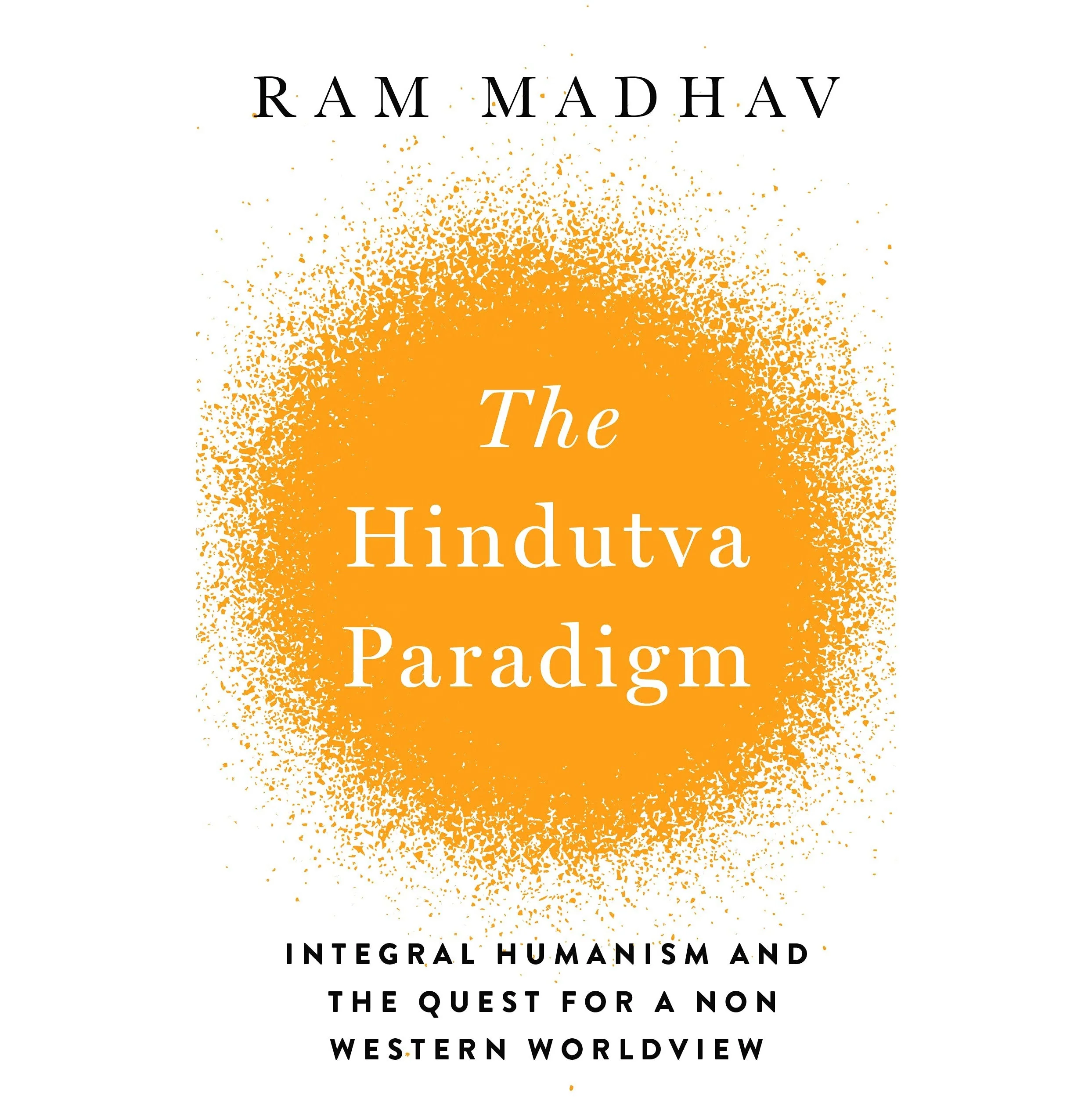
The Hindutva Paradigm: Integral Humanism And Quest For A Non-Western Worldview
The Hindutva Paradigm: Integral Humanism And Quest For A Non-Western Worldview
The Hindutva Paradigm: Integral Humanism And Quest For A Non-Western Worldview - Paperback surveys Deen Dayal Upadhyay’s integral humanism and its offer of a human-centered framework for development and global governance in a post-pandemic world. Aimed at readers of political philosophy, global studies, and policy, it’s thoughtful, timely, and accessible, inviting reflection on human dignity, rights, and the role of innovation in a changing world.
Ram Madhav clarifies the philosophy behind The Hindutva Paradigm, tracing its roots and showing how Upadhyay’s ideas translate into today’s questions about rights, development, and global order. The book connects theory to current challenges, offering a clear path from core principles to practical applications in policy and governance.
Written for a broad audience, it unfolds with a steady cadence, using plain language, thoughtful analysis, and well-chosen examples to illuminate complex ideas without jargon. It addresses climate, healthcare, education for creativity, and frontier technologies—AI, robotics, blockchain, and big data—showing how a non-Western perspective can inform tomorrow’s decisions.
- Key content elements: Integral humanism; Deen Dayal Upadhyay's philosophy; non-Western worldview; human dignity and rights; holistic development; global governance in the 21st century.
- Standout features: Clear connections between philosophy and policy; contemporary relevance to climate change, healthcare, education for innovation, frontier technologies; accessible prose and structured argument.
- Learning outcomes: Develop a non-Western frame for analyzing global order; gain insights into dignity, rights, and innovation; sharpen critical thinking about development policy.
- Writing style: Lucid, engaging, and scholarly yet approachable; blends historical context with modern applications.
By the time you finish The Hindutva Paradigm, readers will have a nuanced understanding of alternative paths to global governance and a renewed appreciation for human-centric development. The book leaves you thinking differently about rights, dignity, and the future, with ideas you can carry into discussions, classrooms, or policy debates.
Original: $7.30
-70%$7.30
$2.19Product Information
Product Information
Shipping & Returns
Shipping & Returns
Description
The Hindutva Paradigm: Integral Humanism And Quest For A Non-Western Worldview - Paperback surveys Deen Dayal Upadhyay’s integral humanism and its offer of a human-centered framework for development and global governance in a post-pandemic world. Aimed at readers of political philosophy, global studies, and policy, it’s thoughtful, timely, and accessible, inviting reflection on human dignity, rights, and the role of innovation in a changing world.
Ram Madhav clarifies the philosophy behind The Hindutva Paradigm, tracing its roots and showing how Upadhyay’s ideas translate into today’s questions about rights, development, and global order. The book connects theory to current challenges, offering a clear path from core principles to practical applications in policy and governance.
Written for a broad audience, it unfolds with a steady cadence, using plain language, thoughtful analysis, and well-chosen examples to illuminate complex ideas without jargon. It addresses climate, healthcare, education for creativity, and frontier technologies—AI, robotics, blockchain, and big data—showing how a non-Western perspective can inform tomorrow’s decisions.
- Key content elements: Integral humanism; Deen Dayal Upadhyay's philosophy; non-Western worldview; human dignity and rights; holistic development; global governance in the 21st century.
- Standout features: Clear connections between philosophy and policy; contemporary relevance to climate change, healthcare, education for innovation, frontier technologies; accessible prose and structured argument.
- Learning outcomes: Develop a non-Western frame for analyzing global order; gain insights into dignity, rights, and innovation; sharpen critical thinking about development policy.
- Writing style: Lucid, engaging, and scholarly yet approachable; blends historical context with modern applications.
By the time you finish The Hindutva Paradigm, readers will have a nuanced understanding of alternative paths to global governance and a renewed appreciation for human-centric development. The book leaves you thinking differently about rights, dignity, and the future, with ideas you can carry into discussions, classrooms, or policy debates.